Subscribe

St Jude's Hospital

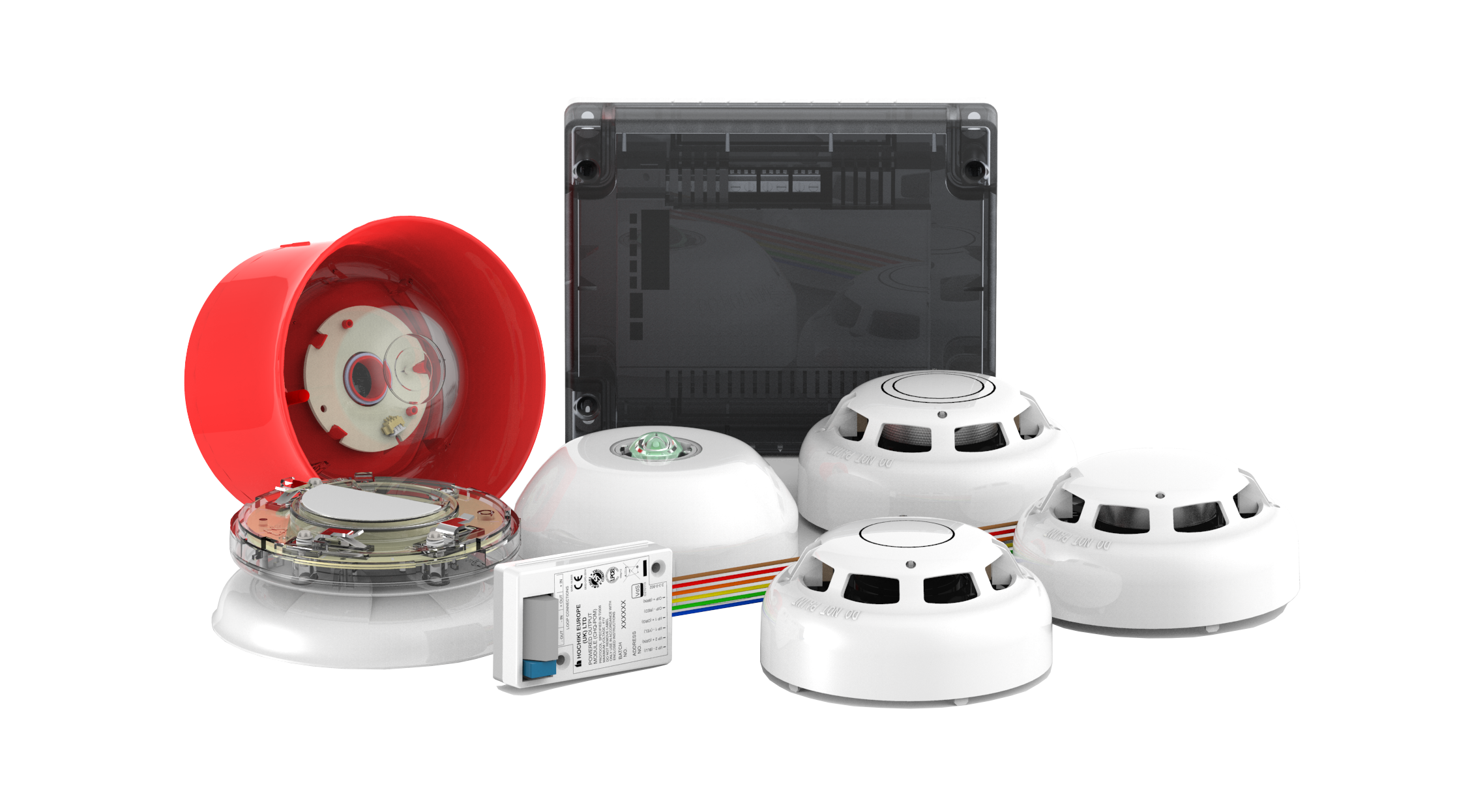
Following a devastating fire that destroyed its original facilities, St Jude's Hospital in St Lucia has been rebuilt with an enhanced life safety system. Hochiki partnered with Rayneau, part of the RG Group, to deliver a networked Latitude panel and ESP addressable devices across the hospital's varied and specialised wings — protecting staff, patients, and critical medical equipment.

Hospitals deliver life-saving care to thousands of patients every day, often serving the most vulnerable and providing the most complex treatments. To ensure the highest level of protection at St Judes Hospital following its reconstruction and expansion, Hochiki partnered with Rayneau, part of the RG Group, to deliver an easy-to-use, enhanced life safety system requested by the Government of St Lucia. Hochiki's Latitude panel, networked with ESP devices, was installed across the varied sections of this two-storey medical facility.


Following a devasting fire in 2009, the hospital was destroyed, resulting in the destruction of critical facilities such as surgical theatres and hospital wards. Since then, medical treatment was moved to a nearby stadium as a temporary measure to continue serving the local community. The circumstance of this project makes comprehensive fire protection paramount, to reduce the likelihood of this recurring.

St Judes includes various, specialised wings for 24/7 medical treatment. The east wing consists of orthopaedic services, ophthalmology, dental operations and a pharmacy, signifying the importance of reliable fire protection. Minimising operational disruption and unnecessary evacuation was essential to reduce the significantly complex processes given the large volumes of vulnerable individuals who will require assistance.


Other areas within the hospital include two volunteer spaces, a gym, a church, warehouses, and maintenance rooms. Protection not only needed to be tailored to each room's environmental conditions, but the whole system also needed to be monitored and controlled to ensure all segments of the hospital were protected.


Expanding from its current infrastructure, additional services were added to the existing wings to enhance the quality of healthcare services for the local area. This included new operating theatres, a physiotherapy centre and dialysis support unit to help accommodate and treat complex conditions. With the extensive number of services available, protecting this hospital was crucial to ensure all-round protection for staff and patients.

Hochiki, Jendee and Rayneau made a comprehensive partnership for the project, delivering high-quality support regarding supplying products, technical support, design and installation.


'The entire system was designed to meet the requirements of BS5839, including the placement of sensors throughout the hospital and sounder coverage levels. All devices within the system comply with EN54 standards across their respective categories. Complying to national and international regulations was an essential requirement to ensure the system met the necessary standards to comprehensively safeguard the hospital's premises and personnel.’


Described Richard Wharram, Hochiki’s Export Sales Manager, around the project’s compliance requirements and how they influenced the system’s design.

An open protocol system was the best possible solution for this hospital, as its facilities and treatments continue to expand. Cost-effective and flexible, an open protocol system ensures the hospital can direct more funding towards research and development. Providing a diverse and extensive range of options ensures the system can be tailored to each application's requirements, delivering seamless integration with third-party products, which will be vital as services and infrastructure develop to support the growing local community.


Hochiki’s ESP range was chosen as the main technology used for this system, with each device tailored to their location within the hospital. With regards to various rooms with different environmental conditions, such as warehouses, a church, gym and maintenance areas, there needed to be differentiation between typical and abnormal conditions to reduce the susceptibility of false alarms.

Hochiki's ESP addressable range provides pinpoint precision, enabling both emergency services and building occupants to quickly locate the activated device, ensuring swift and appropriate evacuation. This is particularly crucial when considering the number of bed-bound individuals who will require transporting during evacuations across this two-storey hospital.


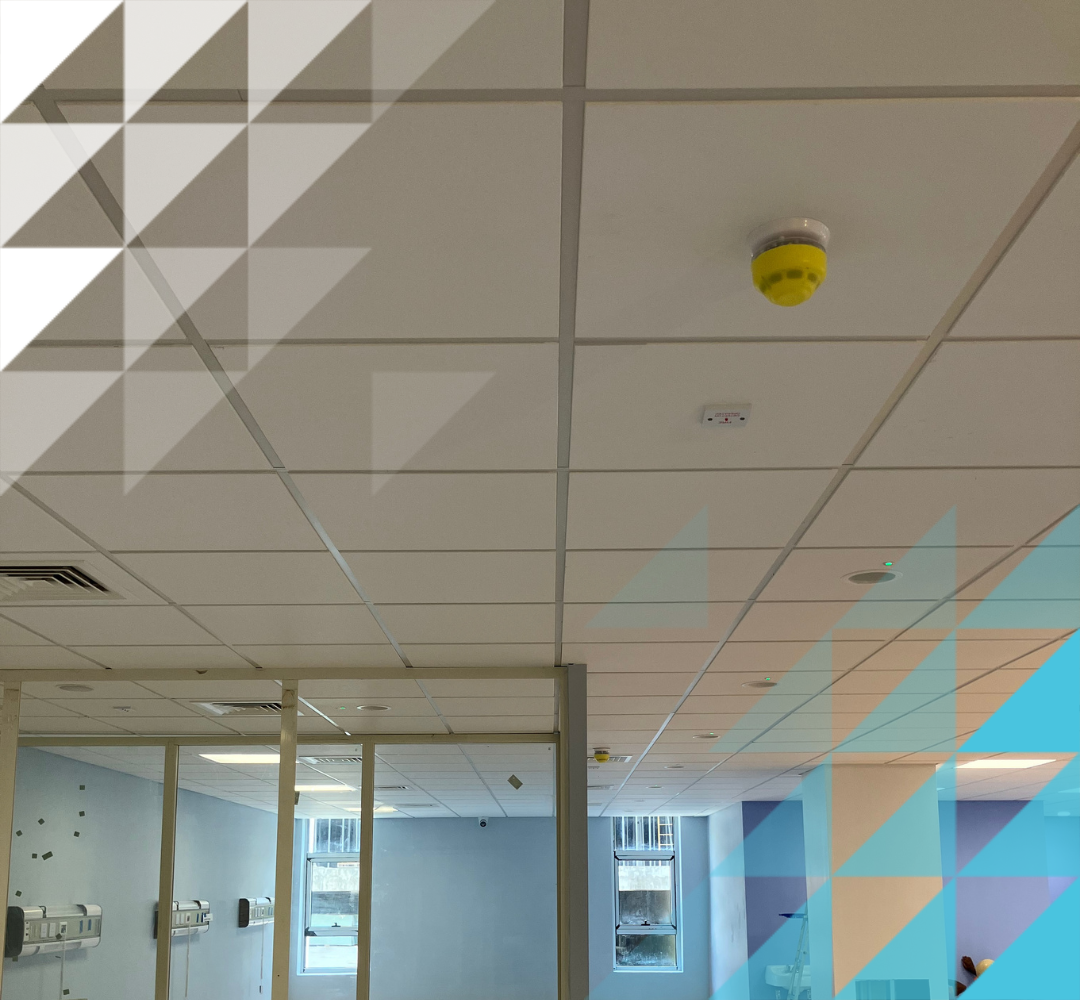
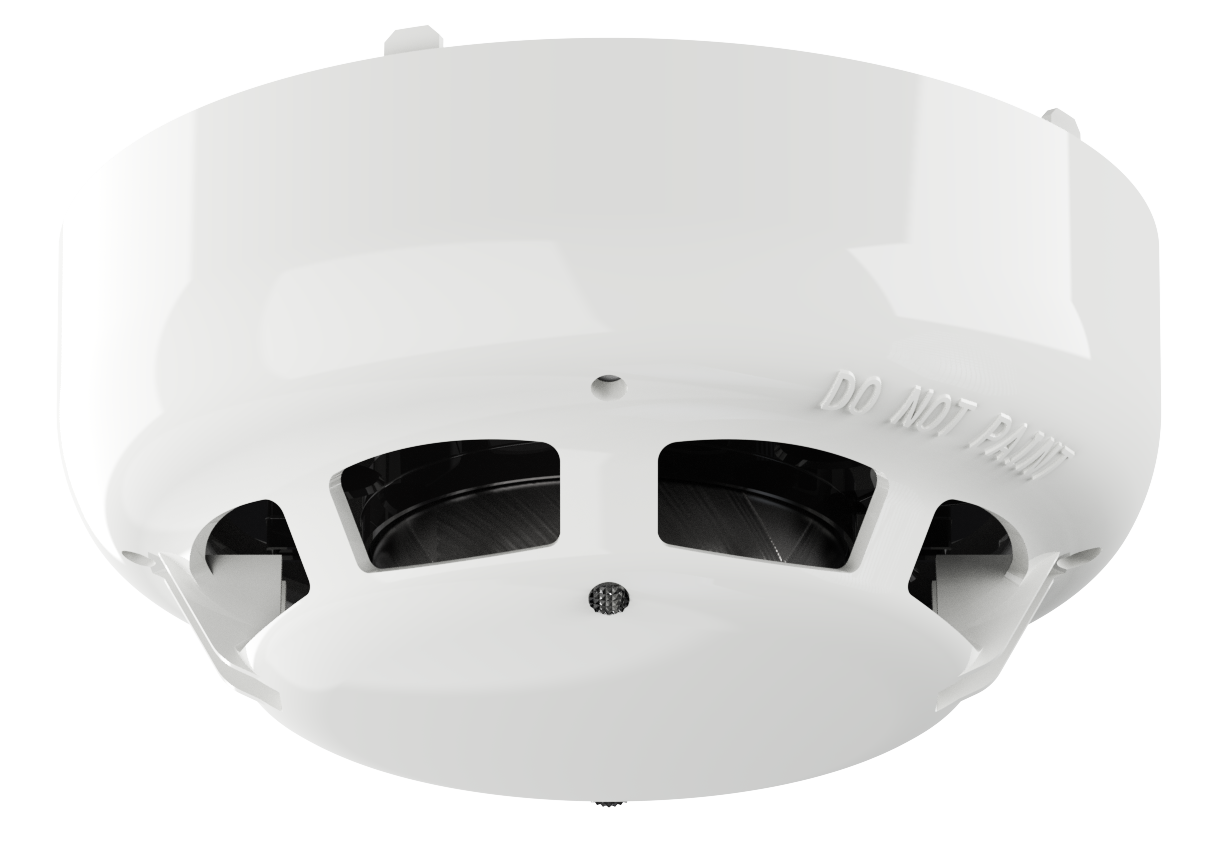
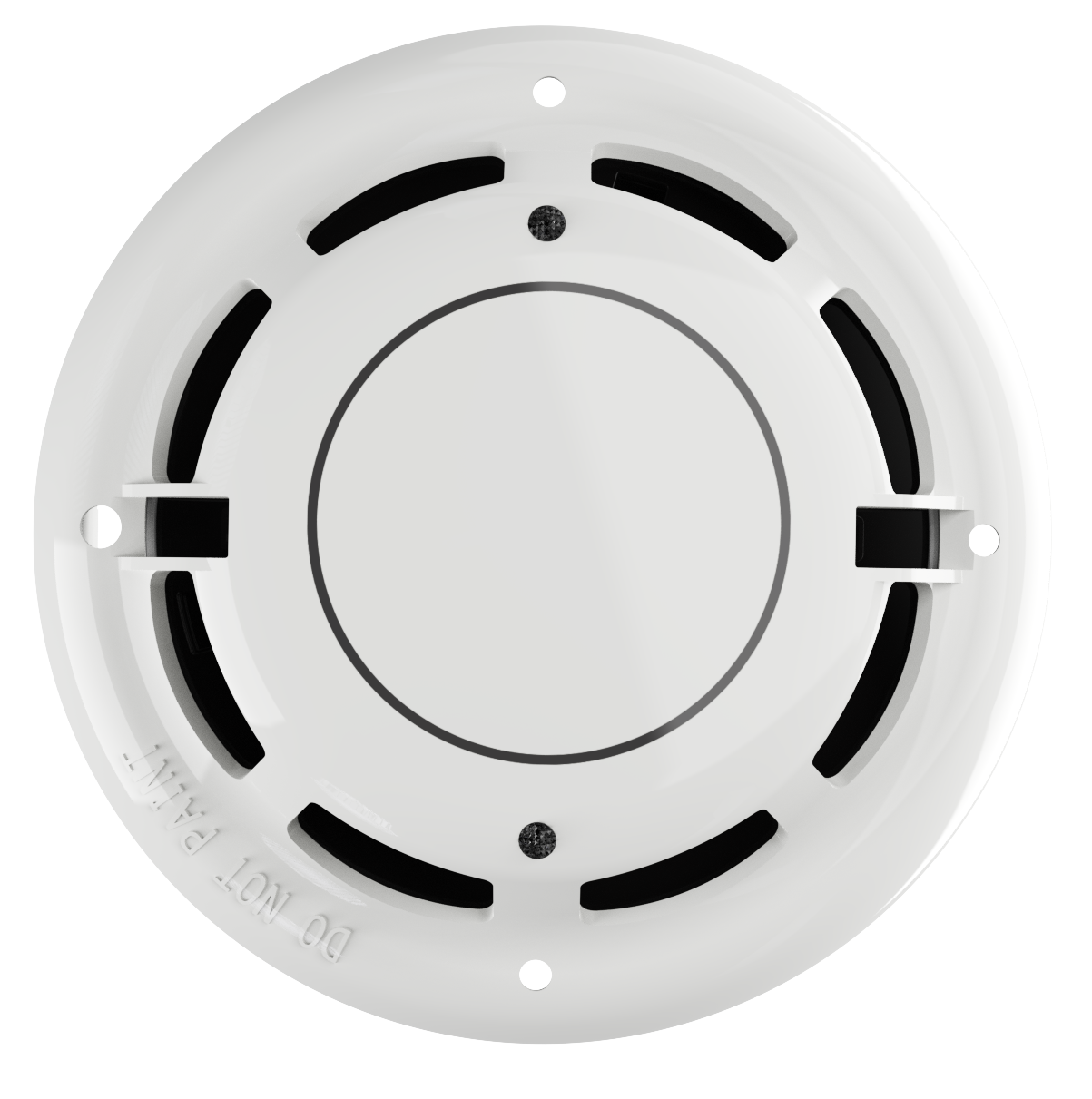
Smoke sensors, such as the ALN-EN, were used throughout the hospital to ensure a clear, distinction between actual fire fumes and dust particles to reduce any unnecessary disruption. Particularly, the high-performance chamber allows for the sensor threshold to be increased, minimising the susceptibility of nuisance alarms and alleviating alarm fatigue among staff, ensuring appropriate reactions and procedures to genuine fires.


The ATJ-EN heat sensor was specified for the maintenance rooms to ensure alarms are activated upon a rise in temperature. A key consideration for this project was the need for networking, in which the ATJ-EN can be controlled from the panel, incorporating both a Rate of Rise and Fixed Temperature element to make a comprehensive fire decision. In a maintenance room, where substantial amounts of cabling and materials are present that could rapidly spread a highly dangerous fire, heat sensors were crucial in delivering protection across these high-risk areas.


With the significant number of patients and visitors entering and leaving the hospital, every individual needed to be accounted for. Hochiki's base sounders and wall sounders provide 51 selectable tones with a maximum output of 98dB(A), alerting all individuals to a fire emergency, whether visually impaired, hard of hearing, or present within busy and loud areas of the hospital, ensuring efficient evacuation and a swift personnel response.

Fully approved to EN54-12, the ESP FIREbeam Xtra provided tailored protection to the hospital’s warehouse ensuring the open plan layout and each aisle was comprehensively protected. When smoke particles rise and obstruct the infrared laser, an alarm is activated, making it an effective solution to protect applications with high, large ceilings.


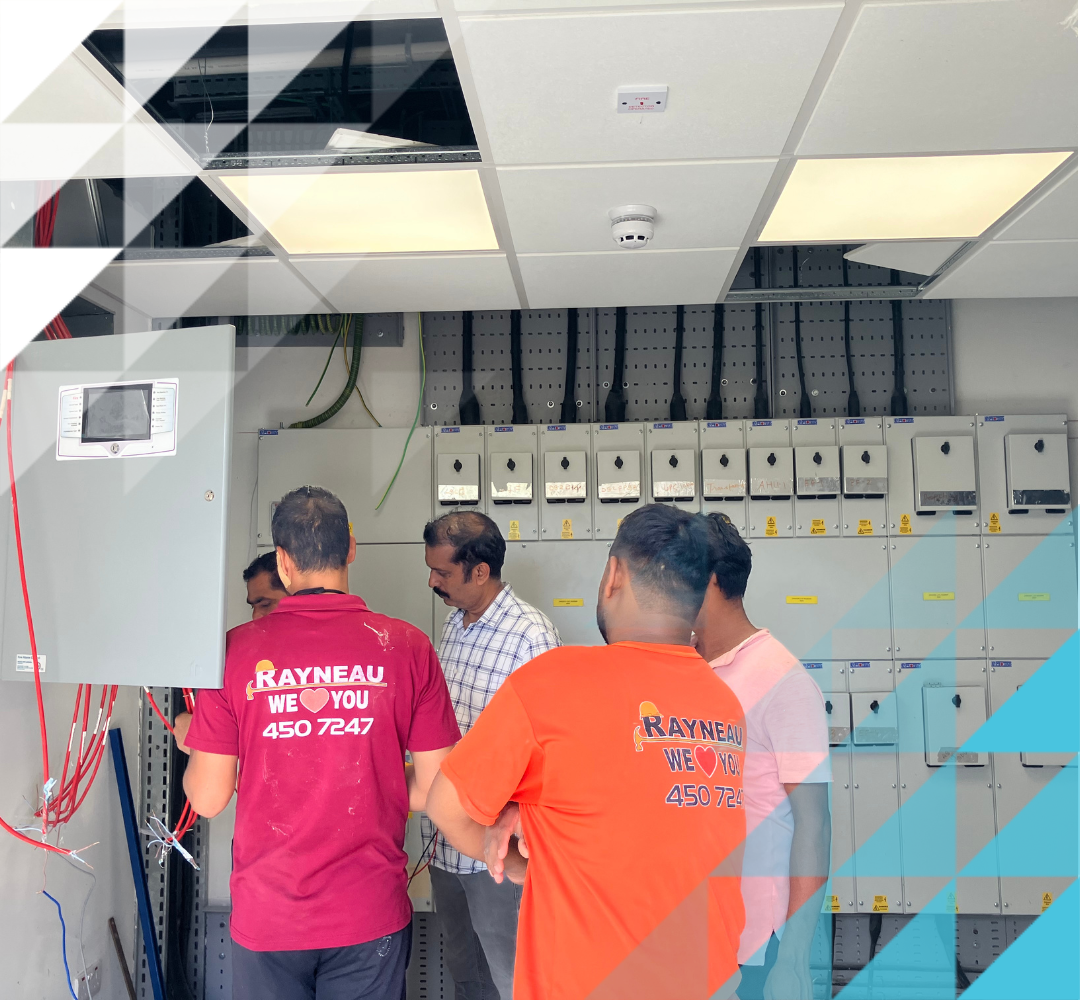
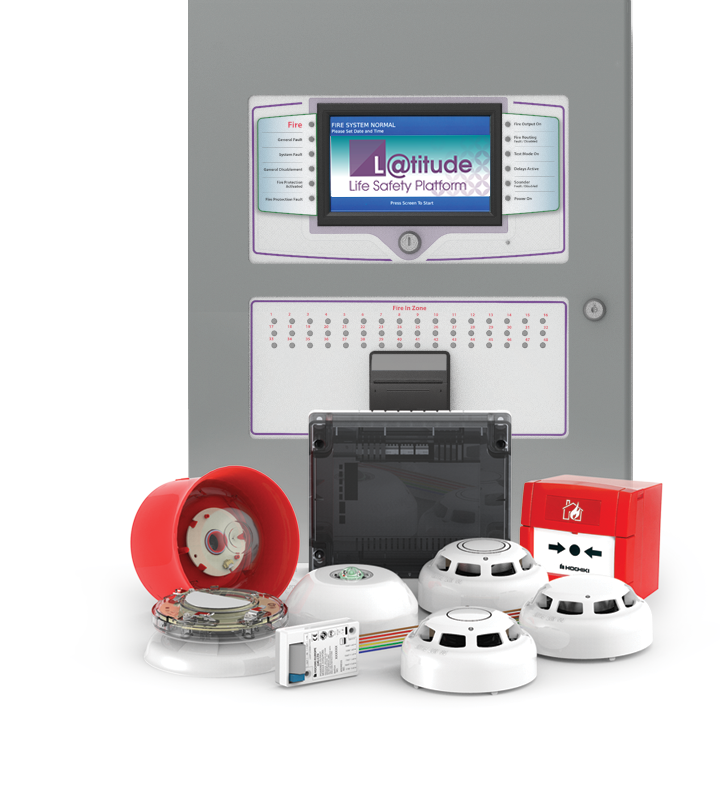
All ESP devices were networked to a two 6-loop Hochiki Latitude panels, the heart of the application. As part of a 5-panel network, the whole system was fitted with 11 repeaters, strategically located at entrances and nursing stations, allowing the system to be easily monitored or controlled in the event of emergencies. With Latitude's intuitive interface, all staff are able to operate the panel confidently during an emergency. Multiple loops ensure that over 127 devices can be networked to the panel so the hospital and its system can continue to evolve.


Latitude provides a comprehensive, long-term life safety solution for complex applications. Its seamless compatibility with existing systems ensures the panel is fully customisable to each application's individual needs. Supporting over 10,000 entry event log records, the panel provides secure memory storage, ensuring all events are saved for maintenance purposes, even when the power is disconnected. The Latitude life safety platform and its networking functions has efficiently enabled full control their own system remotely to protect the entirety of the hospital.


The whole system was connected through a combination of fibre optic and copper cable. With the copper cable already existing from the previous infrastructure, fibre optic was integrated to enhance transmission across longe ranges, allowing faster system responses. The blend of both cabling types helped bridge the system together to make a fully connected and cohesive life safety system.


"The end-user was highly satisfied with the product quality and reliability of Hochiki's systems. The installation proceeded very smoothly, from the initial design and supply through to the technical support provided during the final installation, which is a testament to the long-term partnership we have with Hochiki. We are confident that, with the support of both Hochiki and Rayneau, St Jude's Hospital is comprehensively and securely protected once it opens to the public."


Commented Jendee on the final installation.


Utilising Hochiki's ESP devices and Latitude panel has ensured that St Jude's Hospital benefits from the highest quality of fire protection, enabling staff to confidently safeguard all critical medical equipment and patients that enter their building.

Download this case study as a PDF


Download the PDF Case Study