Subscribe

The Importance of Fire Risk Assessment

In this educational article, we explain why conducting a detailed fire risk assessment is vital before selecting a fire detection system for your building, to ensure you stay compliant and your detection system is fit for purpose.

Fire Risk Assessments: A Building Owner's Essential Guide to Compliance and Safety


As a building owner or manager in the UK, few responsibilities carry as much weight as ensuring the fire safety of your premises. At the heart of this obligation lies the fire risk assessment—a systematic evaluation that forms the cornerstone of compliance with the Regulatory Reform (Fire Safety) Order 2005 and can mean the difference between a safe building and a catastrophic incident.


Yet despite its critical importance, many building owners approach fire risk assessments with uncertainty. What exactly should be included? How often should they be updated? Who can conduct them? And perhaps most importantly, how can you ensure your assessment translates into genuine, practical fire safety rather than simply ticking a compliance box?


This comprehensive guide aims to answer these questions and provide you with the knowledge needed to approach fire risk assessments with confidence.


Fire Risk 01

Understanding Your Legal Obligations

Under the Regulatory Reform (Fire Safety) Order 2005, if you're a building owner, employer, landlord, or occupier who has control over a commercial premises in the UK, you are designated as the "responsible person" for fire safety. This legal framework places a clear and non-negotiable duty upon you to conduct a suitable and sufficient fire risk assessment of your premises.


The term "suitable and sufficient" is deliberate. Your fire risk assessment must be thorough enough to identify all significant fire hazards, evaluate who might be at risk, and determine what measures are necessary to eliminate or reduce that risk to an acceptable level. A superficial or generic assessment simply won't suffice—it must be tailored to your specific building, its use, and its occupants.


Failure to comply with these requirements isn't merely an administrative oversight. Building owners who neglect their fire safety duties can face unlimited fines, imprisonment, or both.


More significantly, inadequate fire risk assessments can result in injuries, fatalities, and the profound personal burden of knowing a preventable tragedy occurred under your watch.


An Oxfordshire business owner received a suspended custodial sentence and community service after serious fire safety failings placed lives at risk.


Fire safety inspectors from Oxfordshire County Council’s Fire and Rescue Service visited the premises and identified significant failings. These included a lack of a suitable fire risk assessment, inadequate protection of escape routes, and the absence of a working fire alarm and detection system.


Read more on the FIA web site.


Fire Risk 02


What Makes a Fire Risk Assessment "Suitable and Sufficient"?


A comprehensive fire risk assessment follows a structured five-step process that systematically evaluates every aspect of fire safety within your premises.


Step 1: Identify Fire Hazards

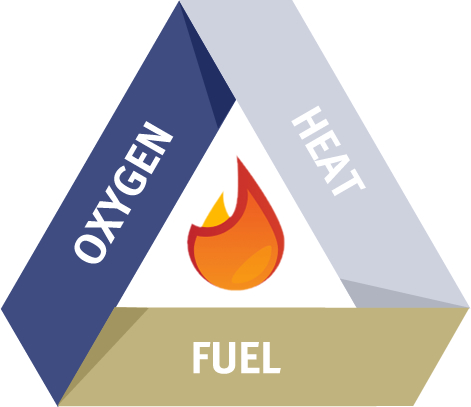
The first step involves identifying potential sources of ignition, fuel, and oxygen within your building. Sources of ignition might include electrical equipment, heating systems, cooking appliances, smoking materials, or processes that generate heat or sparks. Fuel sources encompass everything from paper and textiles to flammable liquids, gases, and construction materials. While oxygen is naturally present in the air, you should also consider locations where oxygen-enriched atmospheres might exist, such as near medical gas systems or welding operations.


Beyond these basic elements, a thorough assessment examines how easily fire could start and spread. This includes evaluating the condition of electrical installations, the storage and handling of flammable materials, housekeeping standards, and the presence of any dangerous substances. Don't overlook less obvious hazards such as accumulated dust in ventilation systems, improperly stored waste, or areas where ‘hot work’ activities take place.

Fire Risk - Fire Triangle

Step 2: Identify People at Risk

Not everyone in your building faces the same level of fire risk. Your assessment must identify all those who could be in danger, paying particular attention to vulnerable individuals who may require additional protection or assistance during an evacuation.


Consider employees working alone or in isolated areas, visitors unfamiliar with the premises, contractors carrying out work, and members of the public if your building is open to them. Vulnerable groups require special consideration: people with mobility impairments, visual or hearing impairments, cognitive disabilities, elderly individuals, pregnant women, and young children all face heightened risks during a fire emergency and subsequent evacuation.


The location of people within the building matters significantly. Those working in basements or on upper floors face different challenges than those at ground level. Similarly, people sleeping within the premises, such as in hotels, care homes, or residential accommodation, are at particular risk as they may not immediately respond to fire alarms.


Fire Risk 04

Step 3: Evaluate, Remove, Reduce, and Protect from Risk

Having identified hazards and people at risk, you must now evaluate the adequacy of existing fire safety measures and determine what additional steps are necessary. This evaluation should be realistic and methodical, considering whether the likelihood of fire and its potential consequences are acceptable or whether further action is needed.


Start by assessing the means of detection and warning. Is there an appropriate fire detection and alarm system in place?  Does it comply with the relevant British Standard (typically BS 5839:2025 Part 1 for commercial premises)?  Will it provide adequate warning time for all occupants to evacuate safely?  Consider whether manual call points are suitably positioned and whether the alarm is audible throughout the entire premises.  In areas with high ambient noise, are there visual alarms as well as audible?


Fire Risk 05


Evaluate your means of escape critically. Fire escape routes should be clearly identified, kept clear of obstructions, and maintained in good repair. There should be sufficient escape routes of adequate width, and travel distances to exits should not exceed recommended limits. Fire doors must be properly fitted, maintained, and ideally fitted with self-closing devices. Emergency lighting should illuminate escape routes adequately, particularly in areas without natural light.


Fire safety signs and notices play a crucial role in guiding occupants to safety. Exit signs should be visible from all locations, with directional signs where the route to the nearest exit is not immediately obvious. Fire action notices should be prominently displayed, explaining what to do upon discovering a fire or hearing the alarm.


Fire Risk 06

Maintenance of fire detection systems must also be evaluated within the assessment, to ensure they are “suitable and sufficient” under the Regulatory Reform (Fire Safety) Order 2005.  The main aspects to consider are:


Testing Procedures:

Reviewing the adequacy of existing testing and maintenance routines.


Maintenance Logs:

Inspecting the fire safety logbook to confirm that weekly user tests and periodic professional services have been recorded.


Compliance with Standards:

Ensuring the system is being maintained according to British Standard BS 5839, which recommends weekly (activating at least one manual call point to test sounders and panel signals) and 6-monthly (a thorough inspection and service by a competent professional, a BAFE-accredited engineer for example) tests.


System Suitability:

Evaluating if the current system is in good repair and whether changes to the building's layout or use have affected its effectiveness.


Fault Identification:

Checking if reported faults have been rectified promptly.


There is a legal significance to consider here too, the "Responsible Person" (employer, owner, or landlord) is legally obligated to ensure all fire safety equipment is maintained in efficient working order. If a fire risk assessment does not address the matter of maintenance, enforcing authorities (such as the Fire and Rescue Service or the Local Authority) may deem it insufficient and issue enforcement notices or fines.


Step 4: Record, Plan, Inform, Instruct, and Train

A fire risk assessment isn't complete once the evaluation is done—you must record your findings and implement practical measures based on them. If your premises employ five or more people, or if it's a licensed venue or an alteration notice is in force, you're legally required to record your assessment in writing.


Your written record should clearly identify the significant findings of the assessment, the people at risk, and the measures you've taken or plan to take to eliminate or reduce fire risks. It should include a prioritised action plan addressing any deficiencies, with realistic timescales and assigned responsibilities for implementation.


An effective emergency plan is essential. This should outline the action to be taken upon discovering a fire; the procedure for calling the fire and rescue service, the evacuation procedures for all occupants, the arrangements for vulnerable persons, the location of assembly points, and the identification of key personnel with specific fire safety responsibilities.


Information, instruction, and training form the final piece of this puzzle. All employees should receive fire safety induction training when they join your organisation and regular refresher training thereafter. They need to know the fire risks specific to their workplace, the fire safety measures in place, the action to take on discovering a fire or hearing the alarm, the evacuation procedures, and the location and use of firefighting equipment.


Fire Risk 07

Step 5: Review and Revise

Fire risk assessments are not static documents that can be filed away and forgotten. They require regular review to ensure they remain suitable and sufficient as circumstances change. You should review your assessment periodically—annually is considered good practice for most premises—and always after any significant changes.


Changes that trigger a review include alterations to the building's structure or layout, changes in use or occupancy, the introduction of new processes or materials, after any fire or near-miss incident, when new fire safety legislation is introduced, or when you become aware of deficiencies in existing fire safety measures.


Fire Risk 08


Emergency Lighting: A Critical Component of Your Fire Risk Assessment


While fire detection and alarm systems often take centre stage in fire safety discussions, emergency lighting deserves equal attention within your fire risk assessment. In the chaos of an evacuation, particularly when smoke reduces visibility or normal lighting fails, emergency lighting can mean the difference between a safe evacuation and a tragedy.


Why Emergency Lighting Matters


When a fire occurs, the electrical supply to a building is often compromised, either through automatic isolation, fire damage to cables, or action by the fire service. In these circumstances, occupants must navigate escape routes in potentially complete darkness. Emergency lighting ensures that exit routes remain clearly visible, fire safety signage is illuminated, and people can evacuate quickly and safely without panic or confusion.


What Your Fire Risk Assessment Should Address


Your assessment must evaluate whether emergency lighting is required and, if so, ensure it complies with BS 5266-1 and BS EN 1838. Key considerations include:


Fire Risk 09 - exit sign

Coverage and adequacy


Fire Risk Light Coverage


Emergency lighting should illuminate all escape routes, including corridors, stairways, exits, and final exit doors. It must also light open areas larger than 60 square metres and any changes in floor level or direction.

Duration


Fire Risk 10  Duration


Emergency lighting must provide adequate illumination for the time required to safely evacuate. For most non-residential premises, this means a minimum of three hours, though some applications may require longer.


Testing and maintenance


Fire Risk 12 - Test and Maintenance


Emergency lighting systems require regular testing to ensure they will function correctly during an emergency. Monthly functional tests should be conducted to verify that each luminaire illuminates when the mains power supply is simulated to fail, typically by operating a test switch or a control panel test function for a brief period.

page_break

Annual full-duration tests are mandatory and involve running the emergency lighting on battery power for the full rated duration (usually three hours) to confirm the batteries can sustain adequate illumination throughout a complete evacuation.


While not required as frequently as functional tests, periodic lux (lumens per square metre) level verification is considered good practice, particularly after any changes to the building layout, room usage, or when luminaires are replaced.

The fire risk assessment should identify areas where lux levels are critical and may need more frequent verification. Any significant drop in lux levels during annual duration tests could indicate battery degradation or LED/lamp failure.


Your fire risk assessment should clearly identify who is responsible for conducting these tests - whether this is a designated member of staff, a facilities manager, or an external contractor - and establish a robust system for maintaining detailed records of all tests, including dates, results, any faults identified, and remedial actions taken. These records must be kept accessible for inspection by enforcing authorities and should be reviewed regularly to identify any patterns of failure or areas requiring maintenance attention.


There are special considerations for those buildings with vulnerable occupants, complex layouts, or high occupancy levels may require enhanced emergency lighting provision beyond minimum standards.


Don't overlook emergency lighting in your fire risk assessment. Inadequate provision has contributed to injuries and fatalities in real fire situations. Ensure your assessment includes a thorough evaluation of emergency lighting coverage, compliance, and maintenance—your occupants' lives may depend on it.


Who Should Conduct Your Fire Risk Assessment?


The law requires that fire risk assessments be carried out by a "competent person"—someone with sufficient training, experience, knowledge, and skills to properly evaluate fire risks. For simple, low-risk premises with straightforward layouts and uses, you may have the competence to conduct the assessment yourself, provided you've undertaken appropriate training and have a solid understanding of fire safety principles.


However, for more complex premises, engaging a professional fire risk assessor is strongly advisable. Look for assessors who are members of recognised professional bodies such as the Institution of Fire Engineers (IFE), the Fire Industry Association (FIA), or who hold certifications from organisations like the Fire Risk Assessment Competency Council (through The Fire Sector Confederation). Third-party certification schemes, such as those operated by BAFE (British Approvals for Fire Equipment), provide additional assurance of competence.




Visit IFE web site      Visit FIA web site      Visit the FSC web site      Visit the BAFE web site


When selecting a fire risk assessor, ask about their qualifications and experience, request examples of previous assessments they've conducted, verify their professional indemnity insurance, and ensure they're willing to provide a detailed written report with actionable recommendations.

Fire Risk - competent person

page break lilac


Common Pitfalls to Avoid

Fire Risk 14 tick box


Even with the best intentions, building owners often fall into common traps when it comes to fire risk assessments. One of the most frequent mistakes is treating the assessment as a one-off compliance ‘tick box’ exercise rather than an ongoing process of risk management. Fire safety should be embedded into the day-to-day management of your building, with regular checks ensuring that the measures identified in your assessment remain effective.


Fire Risk 15 - Old Document


Another pitfall is failing to implement the recommendations from the assessment. A comprehensive assessment is worthless if its findings gather dust on a shelf. Create a prioritised action plan with clear responsibilities and timescales and monitor progress regularly. Some improvements may require significant investment, but you can implement interim measures, while you work towards longer-term solutions.


Fire Risk 16 Maintenance


Many building owners also underestimate the importance of maintaining fire safety systems. Detection and alarm systems, emergency lighting, fire doors, and firefighting equipment all require regular testing and maintenance to ensure they'll function correctly in an emergency. Establish maintenance schedules and keep detailed records of all tests and inspections, checking with equipment manufacturers on their recommended maintenance regimes.


The Intersection Between Fire Risk Assessments and Fire Detection Systems

Fire Risk 17 Alarm


Your fire risk assessment will inevitably highlight the critical role of fire detection and alarm systems in protecting your premises. The type of system required depends on your building's use, size, complexity, and the level of risk identified.


For many commercial premises, an addressable fire detection system compliant with BS 5839-1 represents the gold standard. These intelligent systems, such as Hochiki’s ESP range in conjunction with its Latitude fire control panel, can pinpoint the exact location of a fire, reduce investigation time and enable faster response. They also offer sophisticated features such as the ability to reduce false alarms, program complex cause-and-effect relationships between devices and integrate with building management systems.

Fire Risk 18 sensor


The specification of detection devices should reflect the specific risks in different areas of your building. Smoke detectors suit most general areas, but heat detectors may be more appropriate in kitchens or areas prone to false alarms from steam or dust. Multi-sensor detectors, which combine smoke, heat and sometimes CO sensing technologies with sophisticated algorithms, can provide enhanced reliability in challenging environments. For areas with very high ceilings or special risks, aspirating smoke detection systems offer early warning by continuously sampling air and analysing it for particles of combustion.


Your fire risk assessment should also consider whether certain areas require enhanced protection. Computer rooms, server facilities, and areas containing valuable or irreplaceable items might benefit from very early warning detection systems (such as aspirating smoke detection) that can identify fires at the incipient stage, potentially before visible smoke develops.


Beyond Compliance: Creating a Culture of Fire Safety

While meeting legal requirements is essential, truly effective fire safety goes beyond compliance. It requires cultivating a culture where fire safety is everyone's responsibility and where vigilance is maintained day in and day out.


This culture starts at the top. When building owners and senior managers visibly prioritise fire safety, allocate adequate resources, and lead by example, it sends a powerful message throughout the organisation. Regular fire safety discussions at management meetings, inclusion of fire safety objectives in business plans, and recognition of employees who identify and address fire risks all contribute to a positive culture of safety.


Engage your employees in fire safety; they're often best placed to identify new hazards or changes in how spaces are used. Encourage them to report concerns and ensure they know their observations will be taken seriously. Regular fire drills are essential not just for compliance but for building confidence and muscle memory. People who've practised evacuating calmly are more likely to do so effectively in a real emergency.


Don't forget about the human factors that influence fire risk. Time pressures, complacency, and organisational changes can all increase risk. A delivery deadline that leads to blocked fire exits, a busy period that causes fire drills to be postponed, or staff turnover that leaves new employees without proper fire safety training—these are the subtle ways that risk can creep into even well-protected buildings.


Looking Forward: Emerging Trends in Fire Safety

Fire Risk 20 connection


The field of fire safety continues to evolve, with new technologies and approaches offering building owners enhanced capabilities. Wireless fire detection systems are becoming increasingly sophisticated, offering flexible solutions for listed buildings or premises where cabling is challenging. Cloud-connected systems enable remote monitoring and can alert responsible persons instantly to alarms, faults, or maintenance requirements, even when they're off-site.


Integration between fire safety systems and other building systems is becoming more common. Fire detection systems can now interface with access control to unlock doors on alarm, communicate with HVAC systems to control smoke spread, and integrate with building management systems for centralised monitoring. These capabilities can enhance both safety and operational efficiency but must be properly designed and regularly tested to ensure they function as intended during emergencies.


Fire Risk 19 - legal scrutiny


The increased focus on building safety following high-profile incidents has led to enhanced regulatory scrutiny and higher expectations for building owners. The Building Safety Act 2022 introduced additional requirements for higher-risk residential buildings, including the appointment of building safety managers and more stringent regulatory oversight. While these requirements currently apply primarily to high-rise residential buildings, they signal a direction of travel towards more robust fire safety management across all building types.


page break lilac


Conclusion: Your Roadmap to Fire Safety Excellence

Fire risk assessments are far more than a compliance ‘checkbox’—they're a vital tool for protecting lives, preserving property, and ensuring business continuity. By approaching them thoughtfully and thoroughly, you create a roadmap for fire safety that protects everyone who uses your building.


Start with a comprehensive assessment conducted by someone with the right competence, whether that's you or a professional assessor. Ensure it addresses all five steps of the process and produces a clear, actionable plan. Implement the recommendations systematically, prioritising those that address the most significant risks. Maintain your fire safety systems diligently, ensuring they're always ready to perform when needed.


Review your assessment regularly and whenever circumstances change. Engage with your employees, contractors, and building users to maintain awareness and vigilance. And remember that fire safety is not a destination but a journey—it requires ongoing attention, adaptation, and commitment.


The investment you make in effective fire risk assessment and management pays dividends not just in regulatory compliance but in the genuine peace of mind that comes from knowing you've done everything reasonable to protect the people and assets within your building. In fire safety, there's no such thing as being too prepared.


Further information on risk assessments for UK premises, including downloadable risk assessment templates for various types of buildings, can be found on the UK government’s web site here.


Download this article

This article is part of our "Hochiki On" educational Fire Safety series, designed to help building owners understand modern life safety technologies. For more information about life safety solutions, please explore our other educational resources or contact our technical support team.