Emergency Lighting Systems for Care Homes

It's essential to have a reliable emergency lighting system for care homes to protect vulnerable residents and staff when the power fails. With tailored solutions including FIREscape Nepto addressable emergency lighting, BS 5266 compliance, and self-testing luminaires, care home operators can safeguard lives, ensure safe evacuation routes for elderly and less mobile residents, and maintain uninterrupted care, giving families confidence their loved ones are secure.

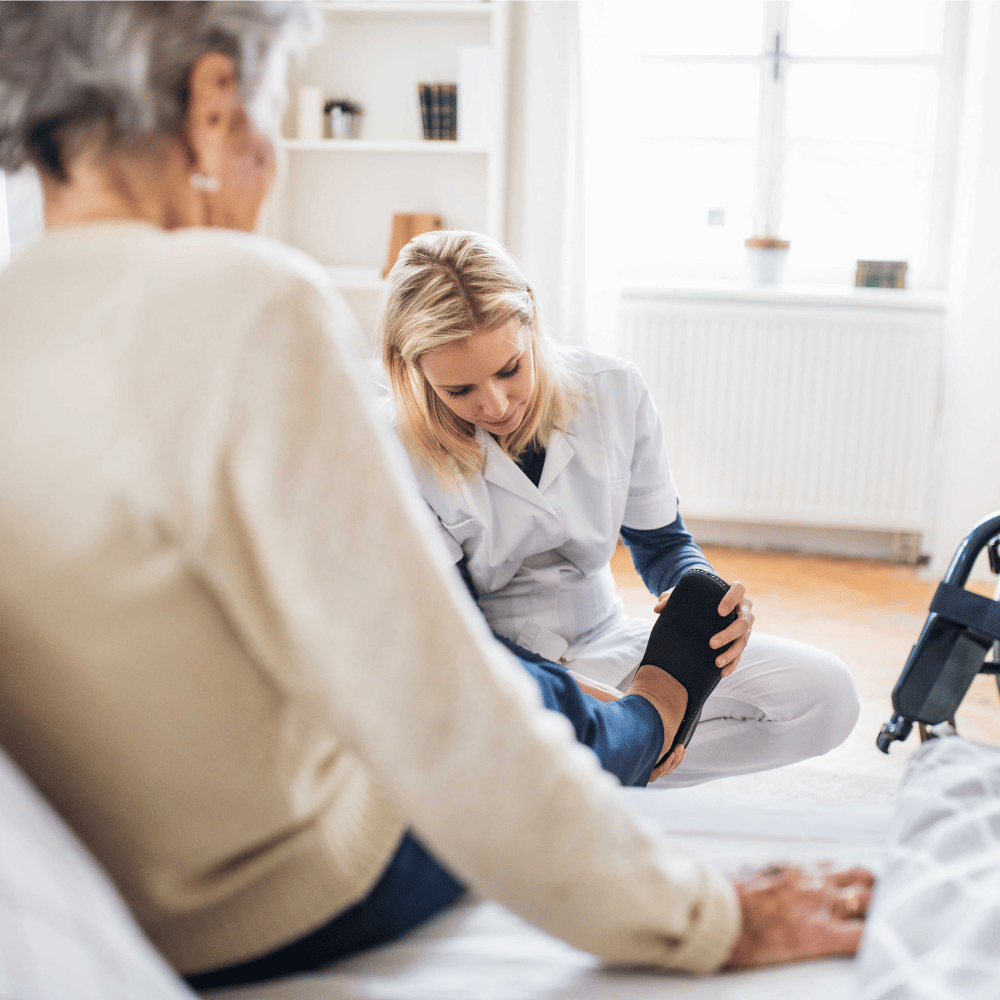
nurse holding elderly persons hand

Featured case studies

Care Home

Merriman Grange

Merriman Grange, a beautiful new care home from Cinnamon Care Collection, located in Worthing, West Sussex, is designed to provide a warm, comfortable, and thanks to Hochiki's ESP range, safe environment for its residents.

Read Case Study
merriman-grange-1000x1000-no-triangles
roseville-carehome-1000x1000
Care Home
Roseville Care Home

The CareMalta Group is Malta's largest private care provider and operates six facilities across the island. The company employs a team of over 500 highly qualified personnel who are focused on providing quality care services and facilities management.

Read Case Study
hatchmoor-nursing-home-no-triangles
Care Home
Hatchmoor Nursing Home

Hochiki fire detection and alarm equipment has been installed throughout the new purpose-built 64-bedroom Hatchmoor Nursing Home in Great Torrington, North Devon.

Read Case Study

Problems & Solutions

care_home_el

Distinct Requirements

Care homes have their own distinct set of emergency lighting requirements and potential problems that need addressing from the design stage right through to day-to-day operation.

nurse_hat_el

Evacuation Planning

The speed of an evacuation can be dramatically affected by residents with disabilities, dementia, or reduced mobility, and general reaction times will be much slower. Clear, reliable escape route lighting is essential to support carers during an evacuation.

multi-level-icon-green

Multi-Level Risk

Care homes protect the frailest and most dependent members of our society, presenting varying levels of risk that emergency lighting design must account for across bedrooms, corridors, communal areas and stairwells.

staff_burden_el

Reduced Staff Burden

Manual monthly and annual testing of emergency lighting is time-consuming for care home staff who are already stretched. Self-testing systems reduce this administrative and physical burden.

compliance_el

Regulatory Compliance

Care home operators have a legal duty under fire safety legislation to provide adequate emergency lighting, that is compliant and maintained to good working order.

3_hour_duration_el

Required 3-Hour Backup

Emergency lighting solutions must provide the mandatory three hours of emergency operation, prescribed by BS 5266, in the event of a power failure.

complex_environs_el

Complex Environments

Care homes can be extremely complex environments where the disabilities and needs of individual residents must be considered in the lighting design, from bedroom-level illumination to communal spaces.

aesthetics_el

Aesthetic & Sensitive Environments

Emergency lighting needs to be integrated discreetly into a care home's interior without compromising on the residential, homely feel families expect.

cost_reduction_el

Low Cost of Ownership

The emergency lighting system should be designed in such a way as to simplify not just installation, but also the on-going maintenance, continuously reducing costs compared with central battery or mains-powered systems, over the system's lifetime.

carer giving elderly woman tea

Why Emergency Lighting Systems are Crucial for Care Homes

Care homes have their own distinct set of requirements and potential problems that need addressing from the design stage right through to day-to-day operation.

By their nature, care homes protect the frailest and most dependent members of our society and should therefore be designed and maintained as safe, comfortable and hazard-free environments, including when the mains power fails.

When designing and installing emergency lighting for a care home, the potential disabilities and needs of residents should be considered. The design should feature:

  • Escape route and open area lighting suitable for residents with reduced mobility

  • Illuminated, BS EN ISO 7010 compliant exit signage positioned for clear wayfinding

  • Discreet, recessed luminaire options that suit a residential, non-clinical interior

  • Self-testing and self-monitoring to reduce reliance on manual checks by care home staff

  • Scalable control to cover everything from a single home to a multi-site care group.