sil2-hero-mobile

sil-white-logo

SIL2-capable Fire Detection System

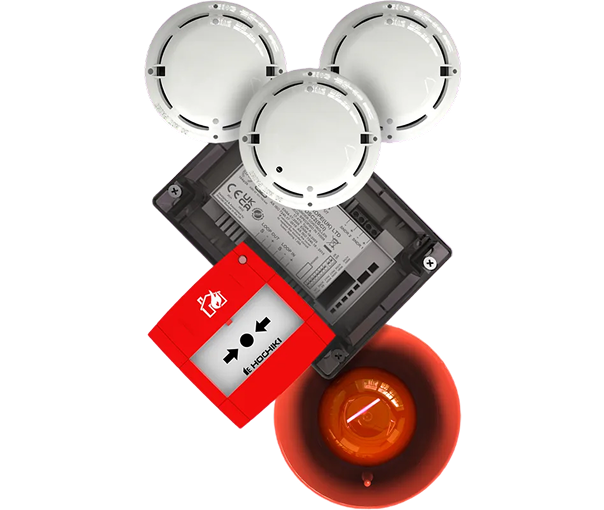
Intelligent addressable and conventional Safety Integrity Level 2 (SIL2) certified panels. Invest in SIL2-capable fire detection system for effective detection, manual call point, and audio visual features that meet IEC61508 functional safety standards.

SIL2-capable Fire Detection System

Main Benefits of Our SIL2 Range

compliant-icon-sil2

Approvals

All our SIL products are approved to SIL Level 2 by the International Electro-Technical Commission. This certificate validates our products as reliable and safe for critical situations, ensuring consistent and optimal performance.

quality-icon-marine (1)

Quality

The SIL range features superior quality, ensuring long product lifespan and excellent durability for continuous functionality in demanding industrial applications and critical safety systems.

diverse-icon-sil2

Diverse Range

Access a variety of addressable and conventional products suitable for many applications. With end-to-end SIL2 configuration capability, it’s easy to customise for challenging applications, too.

compliant-icon-sil2 (1)

Compliant

The SIL range has been independently assessed by Engineering Safety Consultants, which guarantees your ultimate protection when detecting potential fires or hazards.

What is SIL?

SIL is an acronym for Safety Integrity Level, and is a system used to quantify and qualify the requirements for Safety Instrumented Systems.

The International Electro-Technical Commission (IEC) introduced the following industry standards to assist operators with quantifying the safety performance requirements for hazardous operations:

  • IEC 61508 – Functional Safety of Electrical / Electronic / Programmable Electronic Safety-Related Systems

  • IEC 61511 – Safety Instrumented Systems for the Process Industry Sector

These standards have been widely adopted in the hydrocarbon and oil and gas industries as a means of improving safety and availability of Safety Instrumented Systems.

Safety Integrity Levels are part of a larger scheme called Functional Safety that deals with techniques, technologies, standards and procedures that help operators protect against hazards. Simply put, SIL levels are targets applied to the reliability and performance of the safety systems used to protect hazardous activities such as hydrocarbon refining or production.

IEC
SIL levels

SIL Levels – How Are They Calculated?

There are four SIL levels. The higher the perceived associated risk, the higher the performance required of the safety system and therefore the higher the SIL rating number.

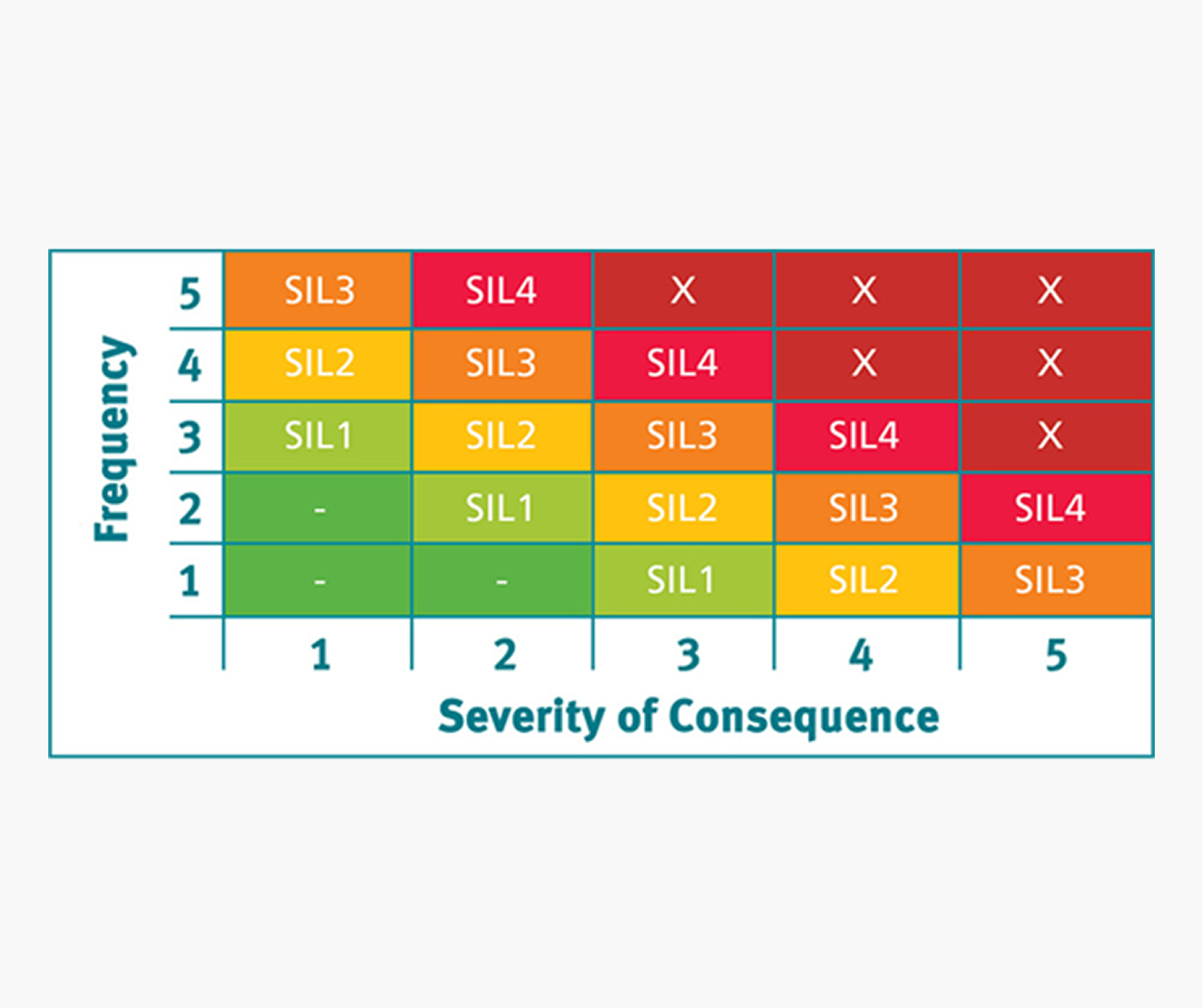
Once the scope of an activity is determined, the operator can identify the possible hazard(s) and then assess their potential severity. The risk associated with a hazard is identified by assessing the likely frequency of occurrence and the potential consequences if the hazard is realised.

The operator must then assign a number for the severity of consequence and frequency.

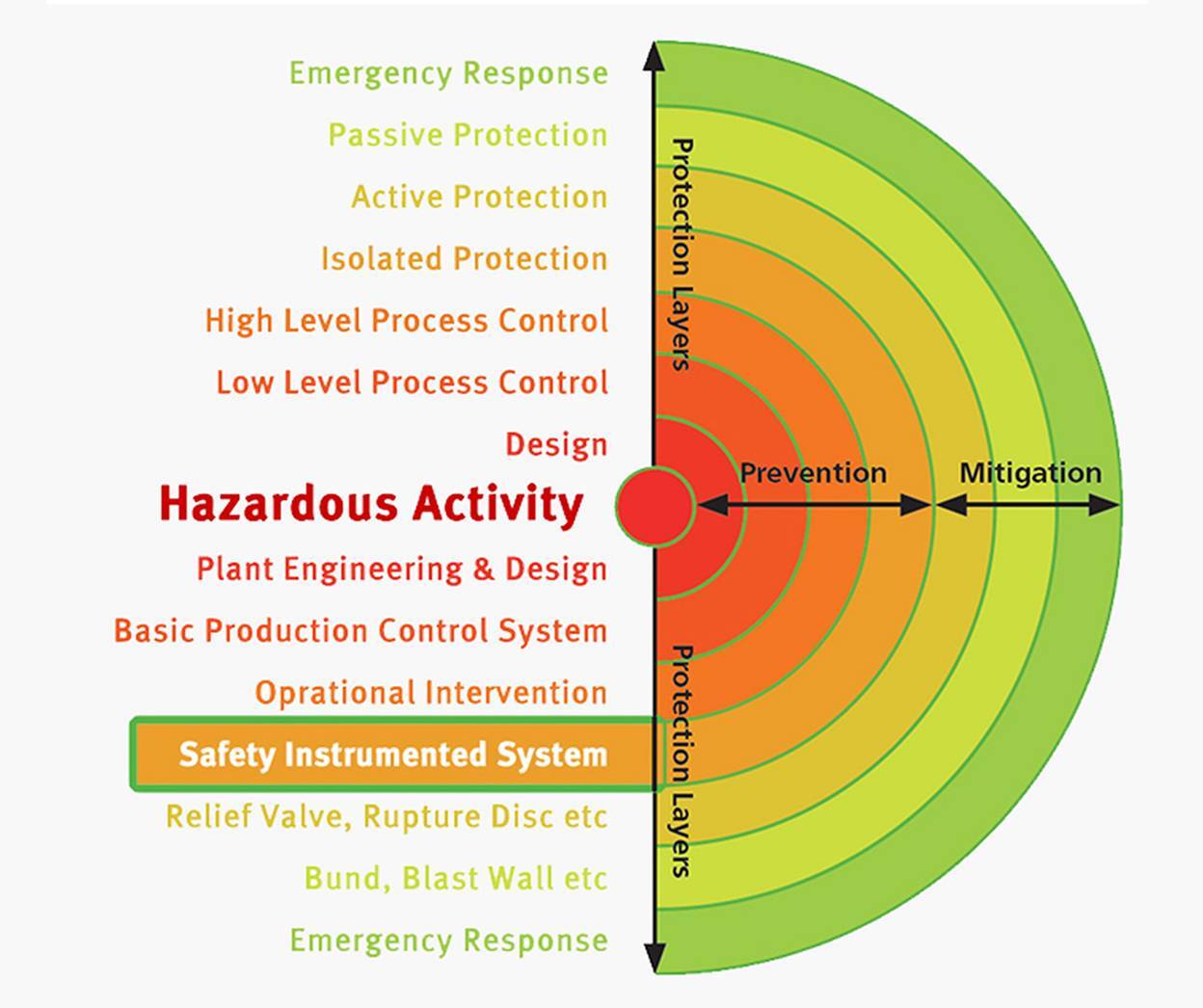
The figure left shows multiple layers of protection are used to develop the required safety strategy. Safety Instrumented System has been highlighted because this is the layer that applies to Hochiki's SIL 2 capable fire detection equipment.

The SIS assists in reducing the frequency of the likely manifestation of the hazard and therefore improves the reliability of the system. The consequence of a failure is not addressed by SIS but by other aspects of the risk reduction strategy.


These numbers are then entered into a matrix (see example right) to allow the operator to assign the required SIL rating to protect against the hazard.

Many tools are available to assist an operator with this process, for example HAZOP (Hazard & Operability) software.

Our SIL 2 capable range of products has been independently assessed by Engineering Safety Consultants Limited and is considered capable for use in a SIL 2, low demand Safety Function with regard to random failure rates.

SIL frequency vs severity of consequence

Addressable Sensors

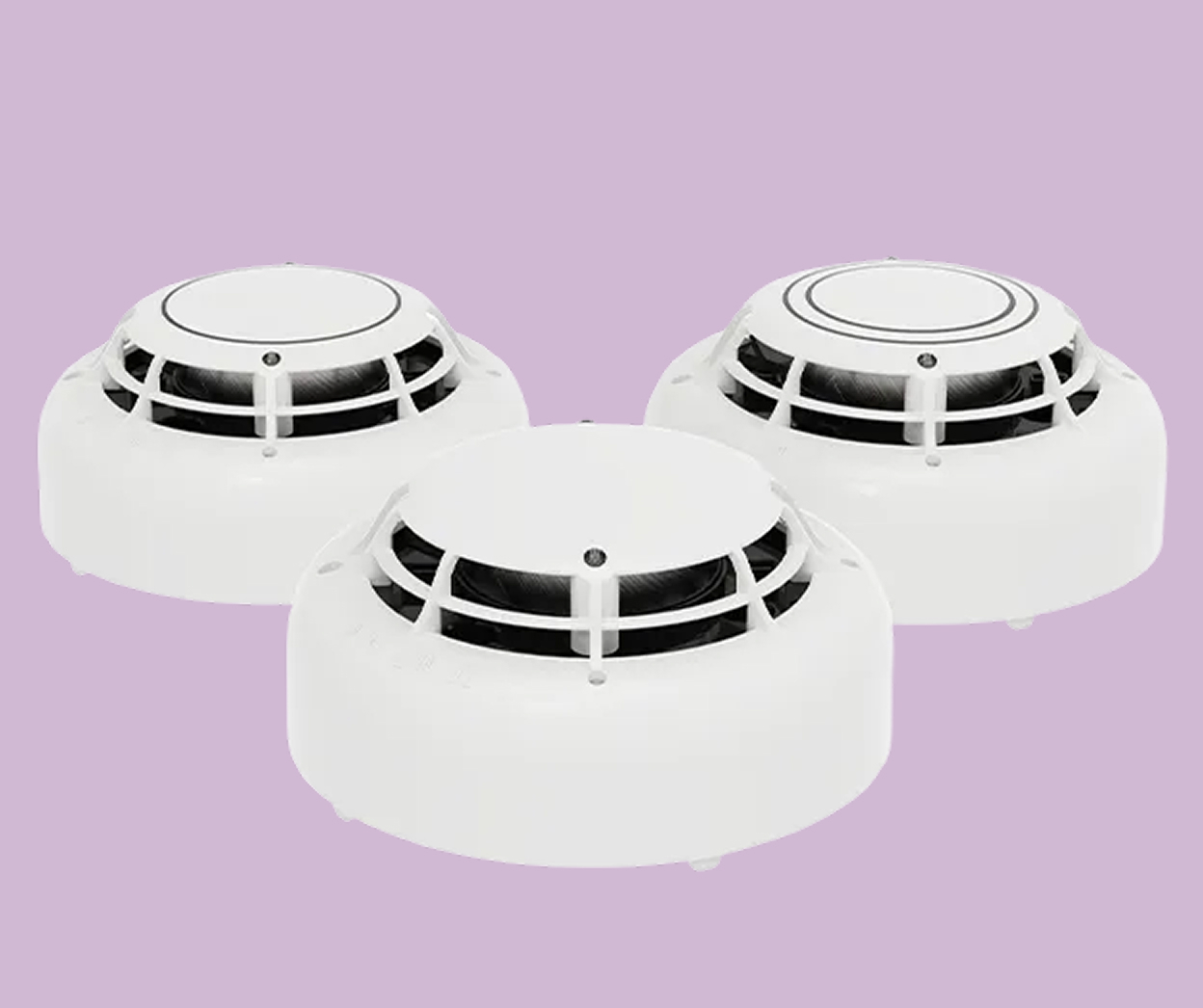
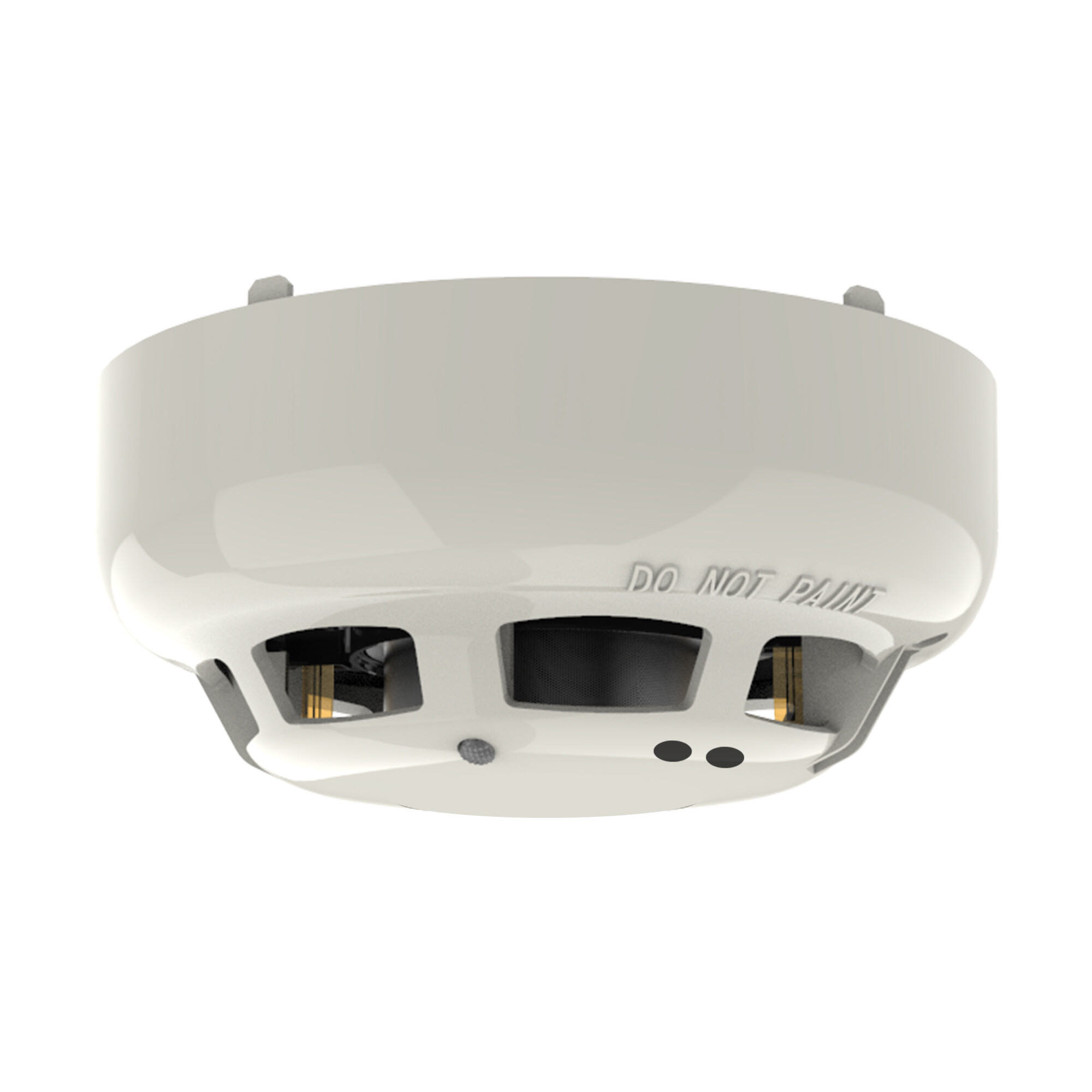
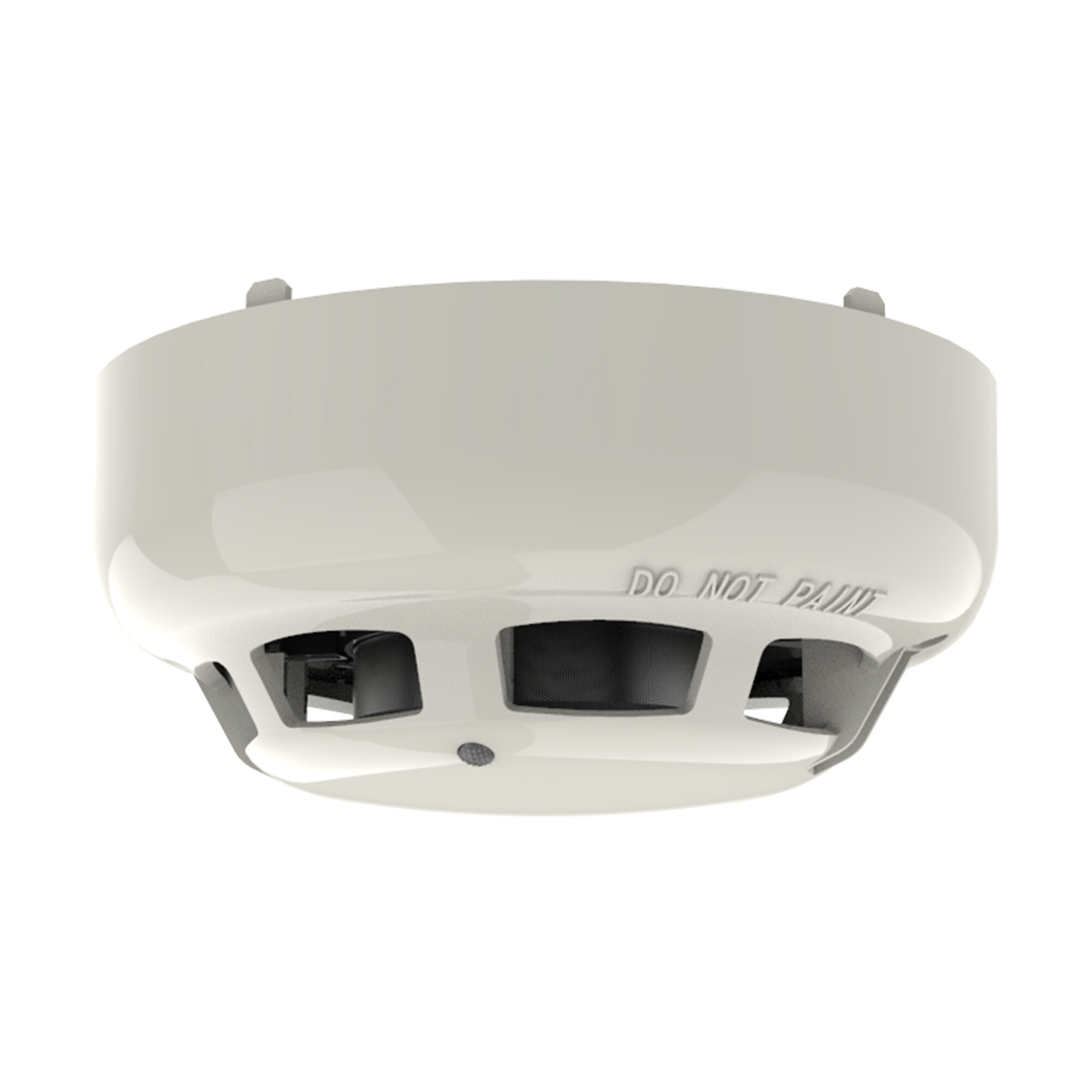
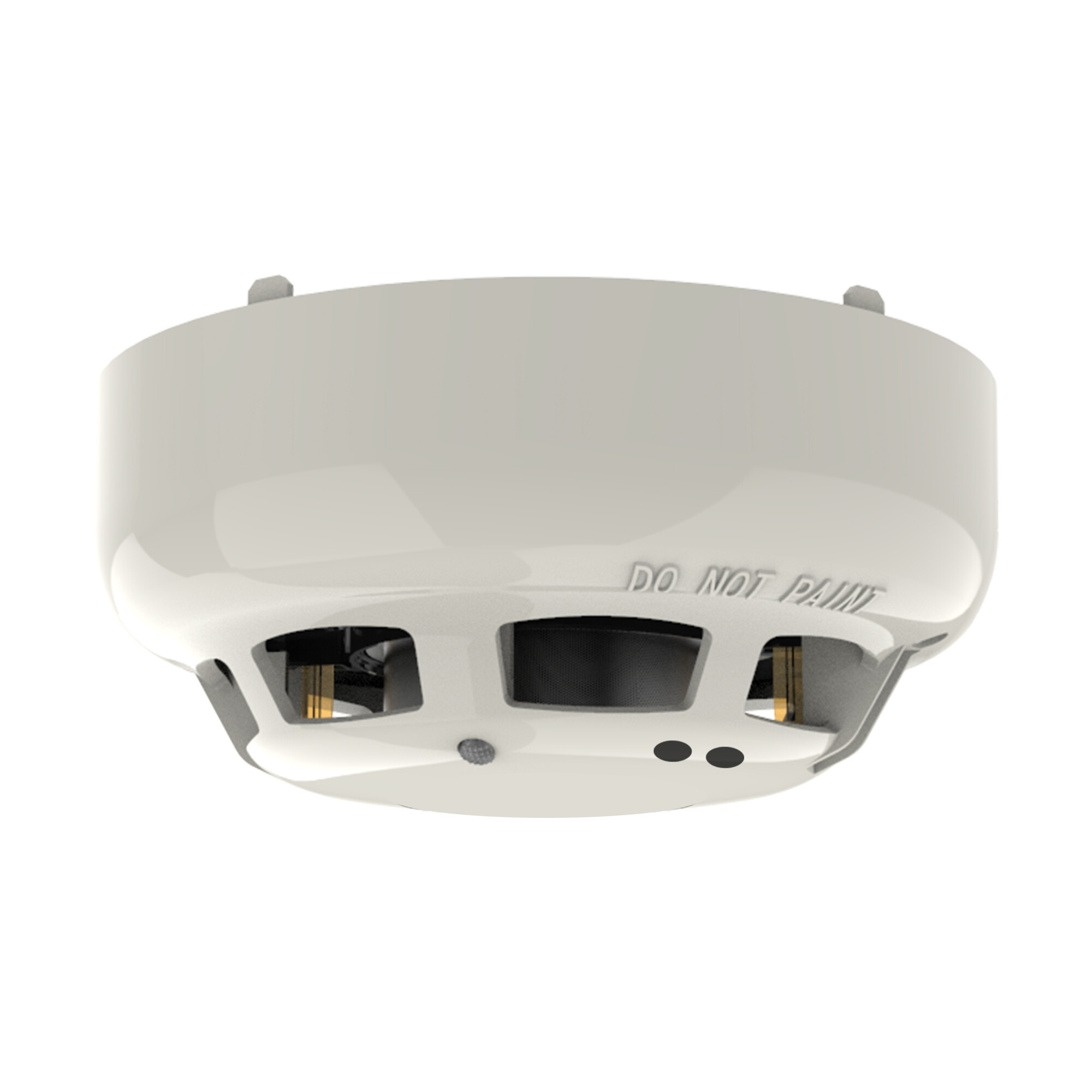
There are three models in the SIL2 addressable sensor range offering optical smoke detection, heat detection and a multi-criteria detection (smoke and heat).

All models require just one, electronics-free mounting base, making ordering, stockholding and installation simple and efficient. The sensors are electronically addressed in seconds using a hand-held programmer via Hochiki’s ultra-reliable ESP protocol, so no fiddly mechanical addressing on site.

Subtle case markings identify which sensor model is installed at a glance and all models come in a choice of white or ivory casings to perfectly blend in with any project.

Addressable Sensors
Conventional Detectors

Conventional Detectors

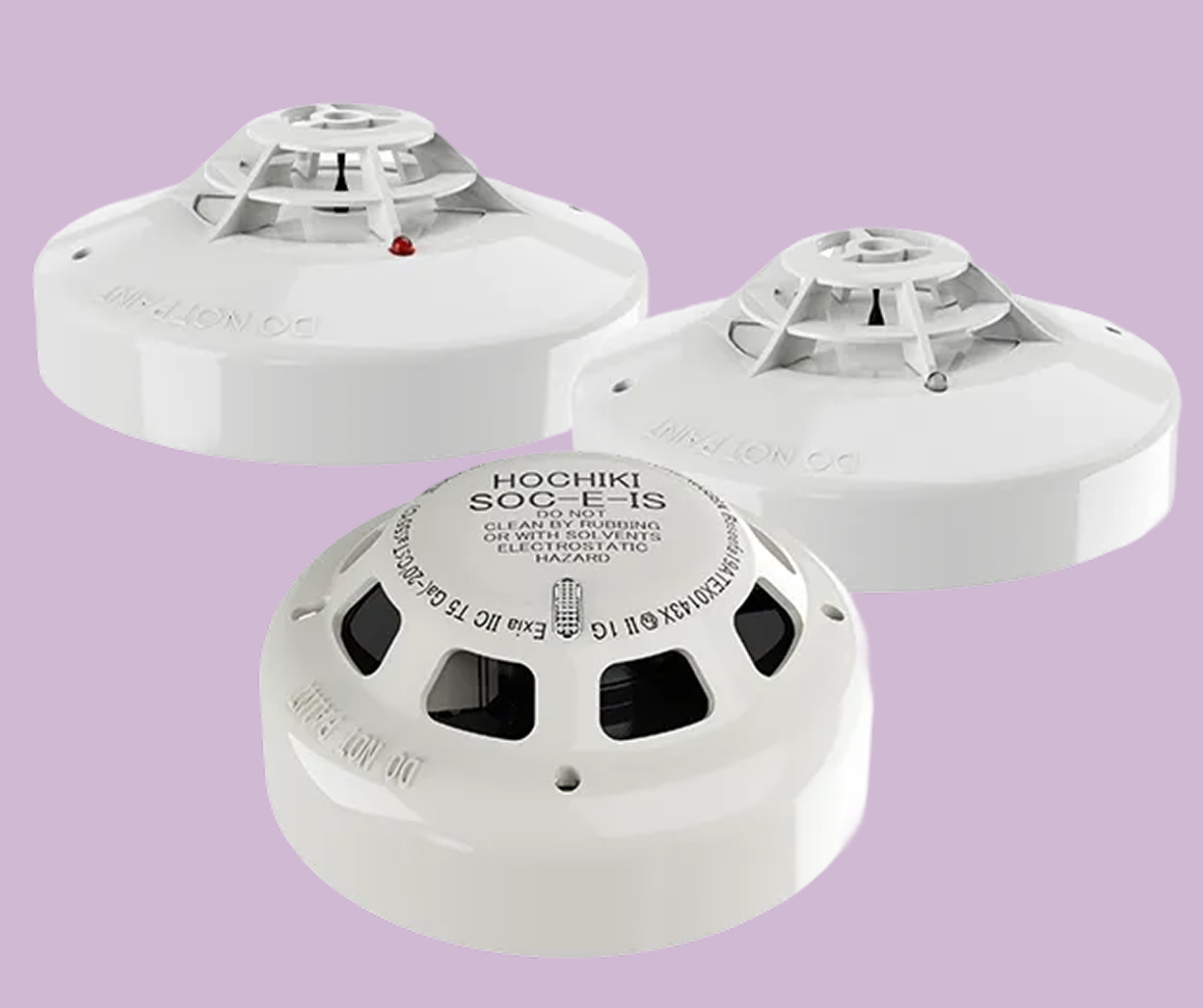
There are three models in the SIL2 conventional sensor range offering optical smoke detection, heat detection and multi-criteria detection (smoke and heat).

All models require just one, electronics-free mounting base, making ordering, stockholding and installation simple and efficient. The conventional sensors operate on standard 12-24V DC circuits, providing reliable detection without the need for programming or addressing.

Technical Resources


Open Protocol

Every addressable device in the range runs on the world-renowned ESP open protocol which comes with features such as extended addressing, sub-addressing, adjustable sensor sensitivity and drift compensation.


ESP Compatible

Case Studies Featuring SIL2 Capable

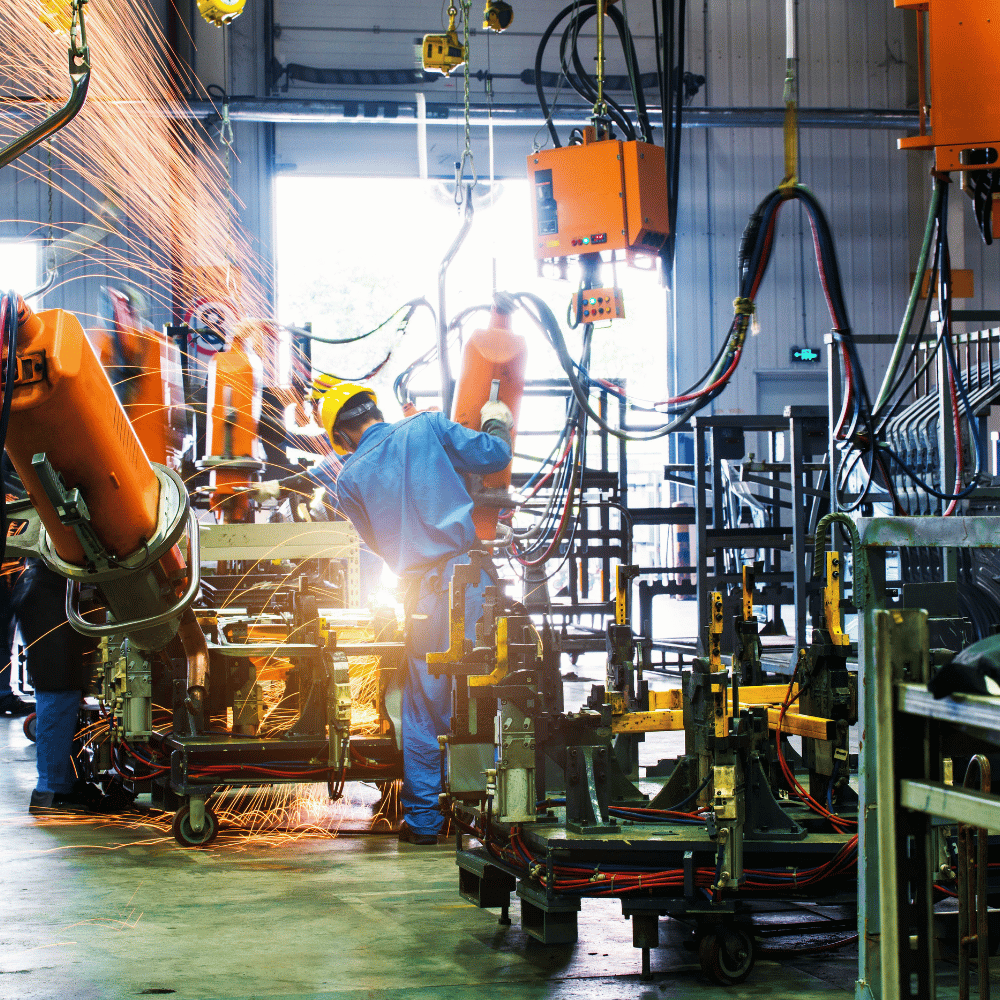
Industrial

Metron Energy

Hochiki Europe protects hazardous environment for global leader in petroleum storage and distribution

Read Now
metron-energy-1000x1000-no-triangles
formula-techniki-no-triangles-1000x1000
Industrial
Formula Techniki

Hochiki Europe protects petrochemical environments in Ghana

Read Now

Get a quote

Find an Installer

purple dotted pattern