SIL Levels – How Are They Calculated?
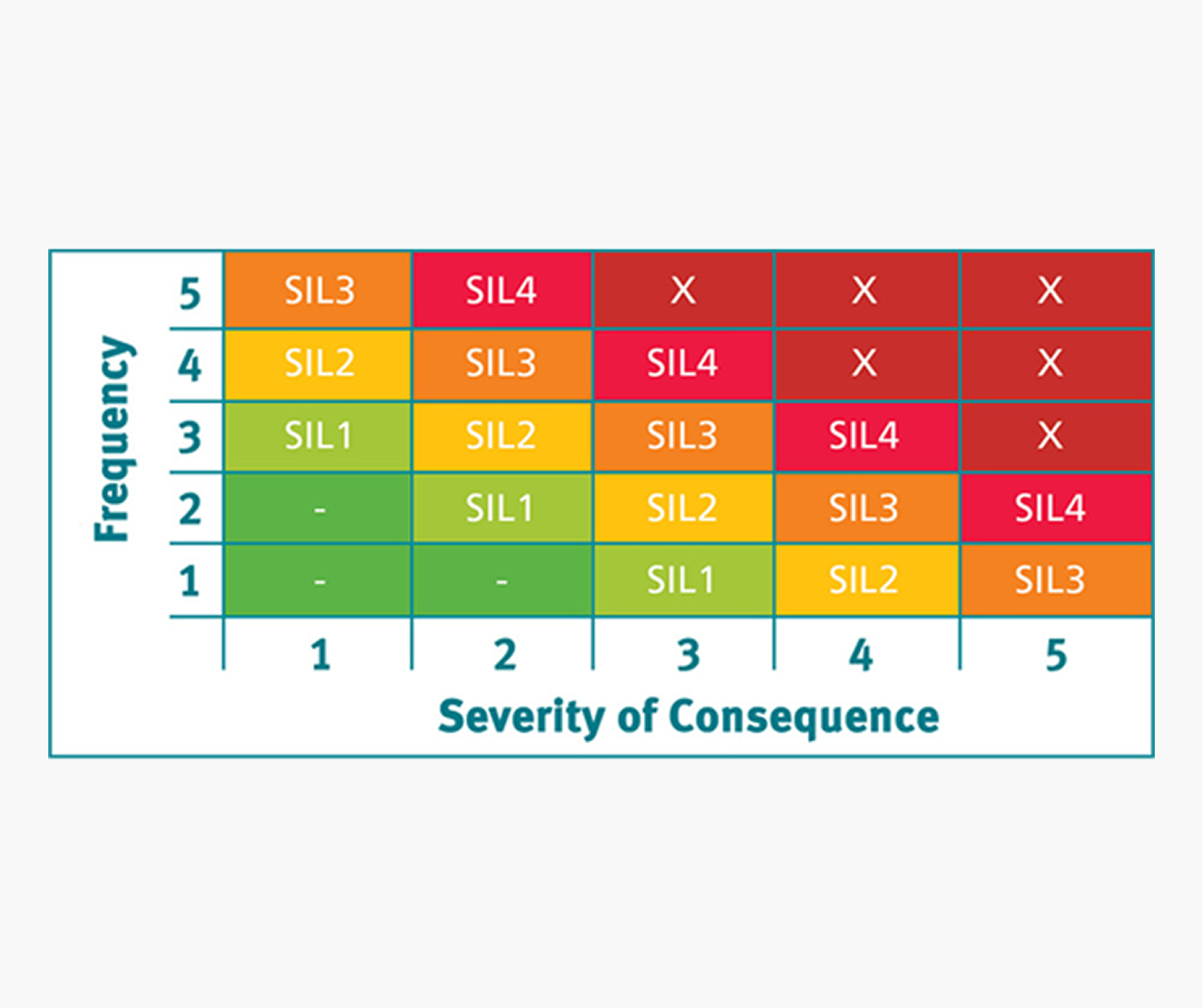
There are four SIL levels. The higher the perceived associated risk, the higher the performance required of the safety system and therefore the higher the SIL rating number.
Once the scope of an activity is determined, the operator can identify the possible hazard(s) and then assess their potential severity. The risk associated with a hazard is identified by assessing the likely frequency of occurrence and the potential consequences if the hazard is realised.
The operator must then assign a number for the severity of consequence and frequency.
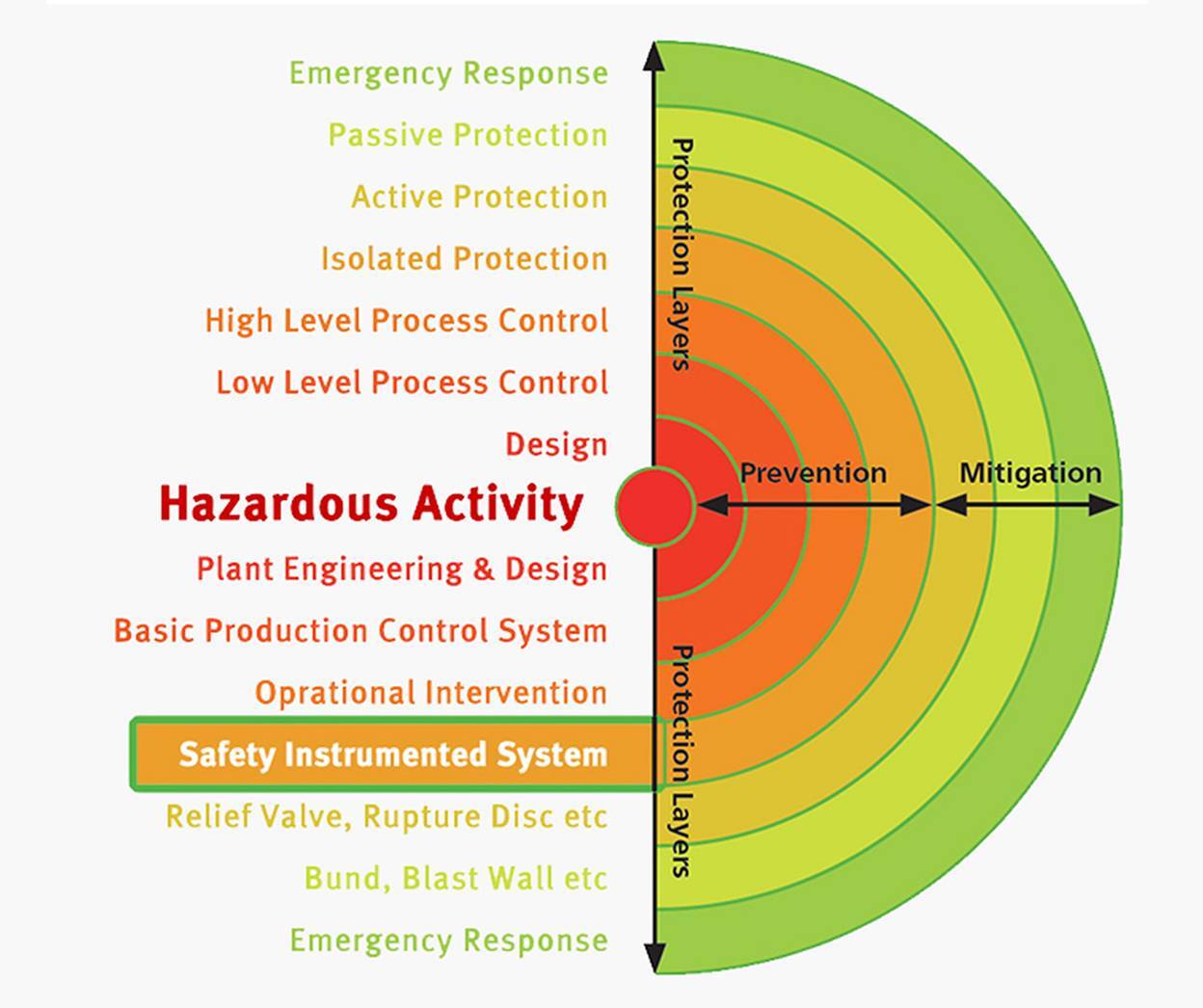
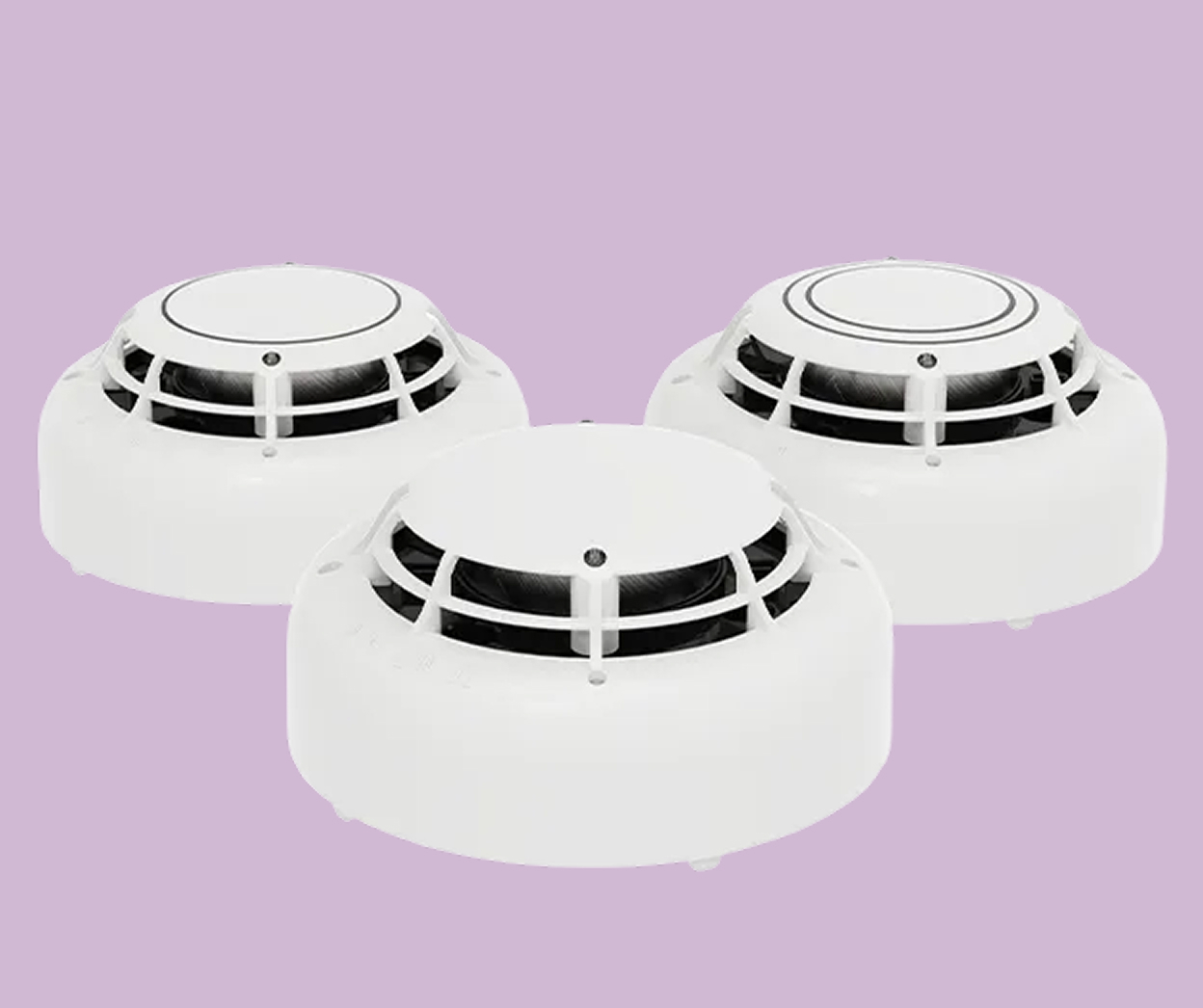
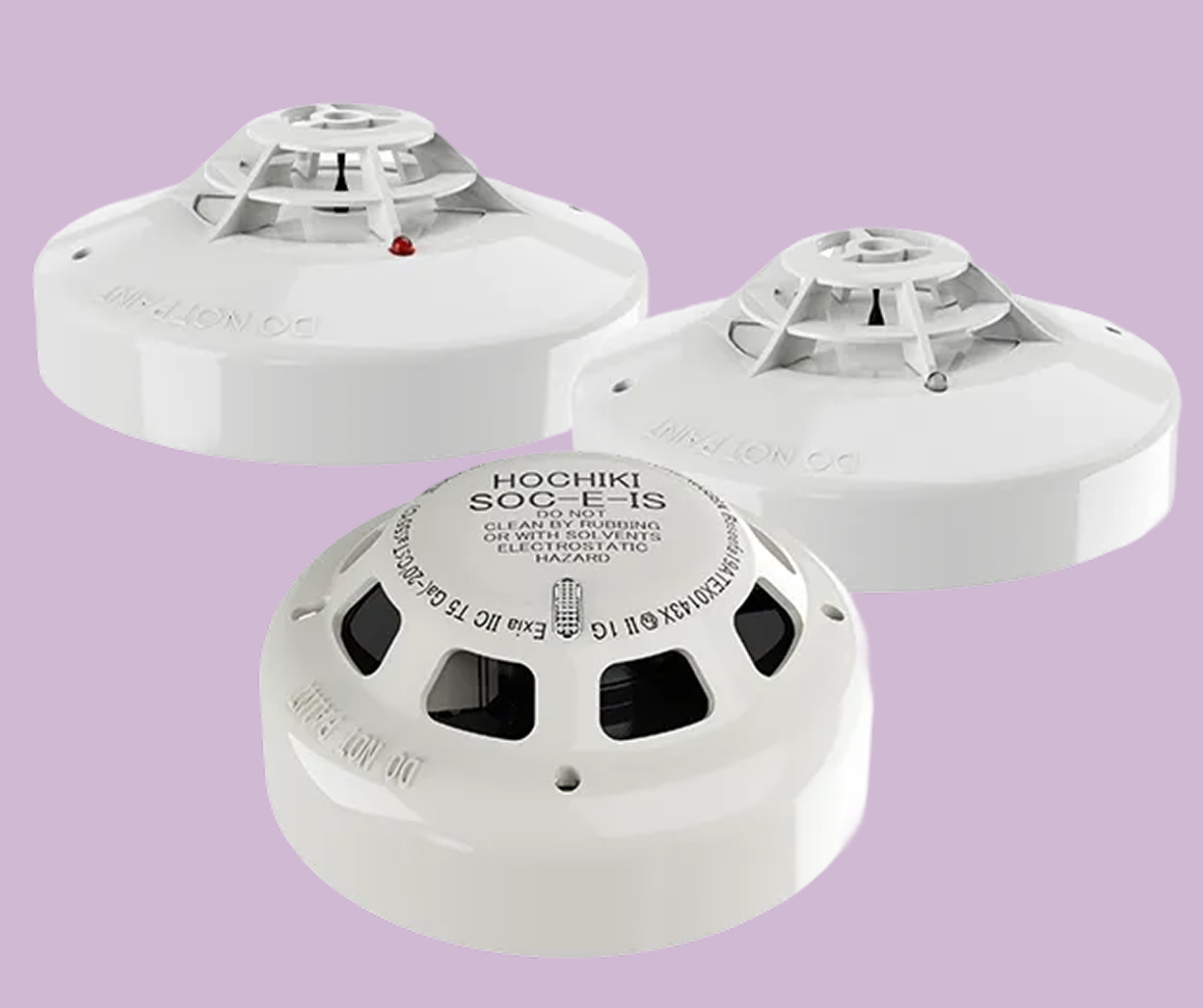
The figure left shows multiple layers of protection are used to develop the required safety strategy. Safety Instrumented System has been highlighted because this is the layer that applies to Hochiki's SIL 2 capable fire detection equipment.
The SIS assists in reducing the frequency of the likely manifestation of the hazard and therefore improves the reliability of the system. The consequence of a failure is not addressed by SIS but by other aspects of the risk reduction strategy.