How Does It Work?
An advantage of beam detectors is their ability to detect when smoke is scattered over wide areas. This is achieved due to the beam detectors using the obscuration method, which detects fire due to smoke particles obscuring the infra-red light along the sensing path.
When sufficient smoke blocks the infra-red light beam, reducing the received signal strength by a pre-determined setting, a fire condition is generated. Such detection sensitivity enables the beam to identify a fire before it spreads. Unwanted alarms due to the beam being totally obscured for a short period of time can be filtered out by well-designed products (Hochiki’s beam detectors, for example, use time-based algorithms to distinguish between unwanted obscuration and genuine fire conditions).
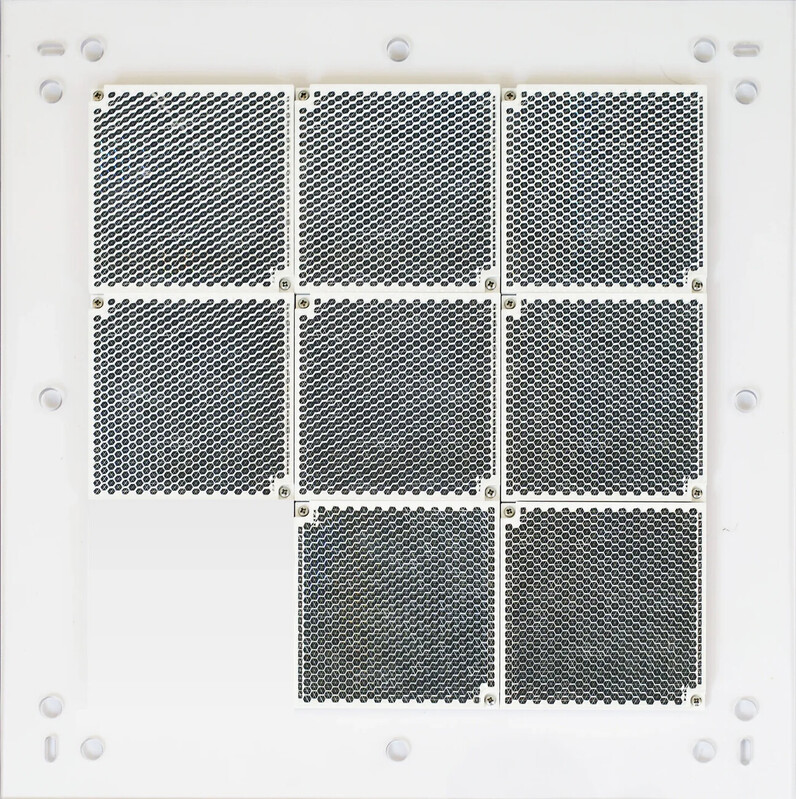
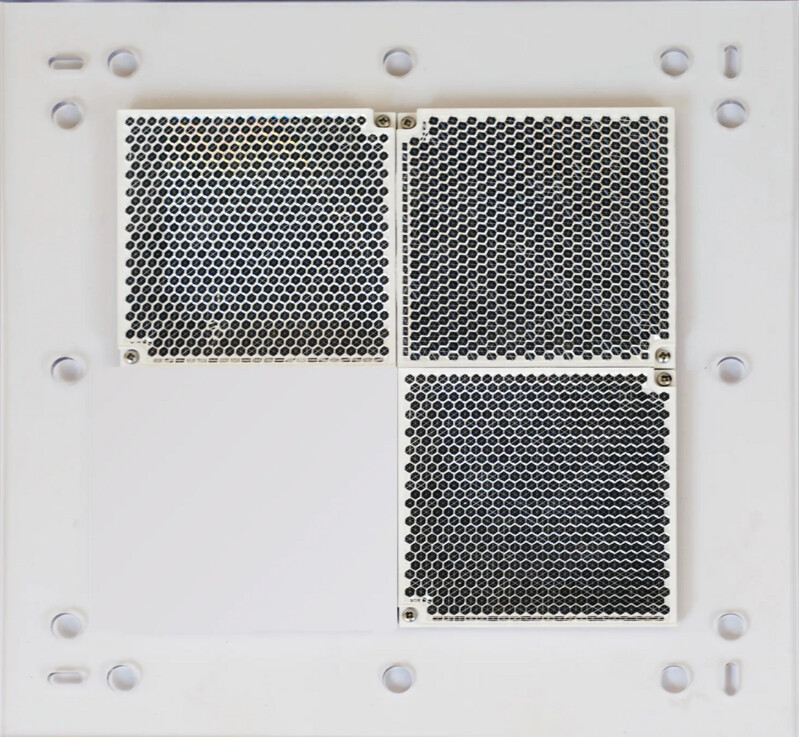
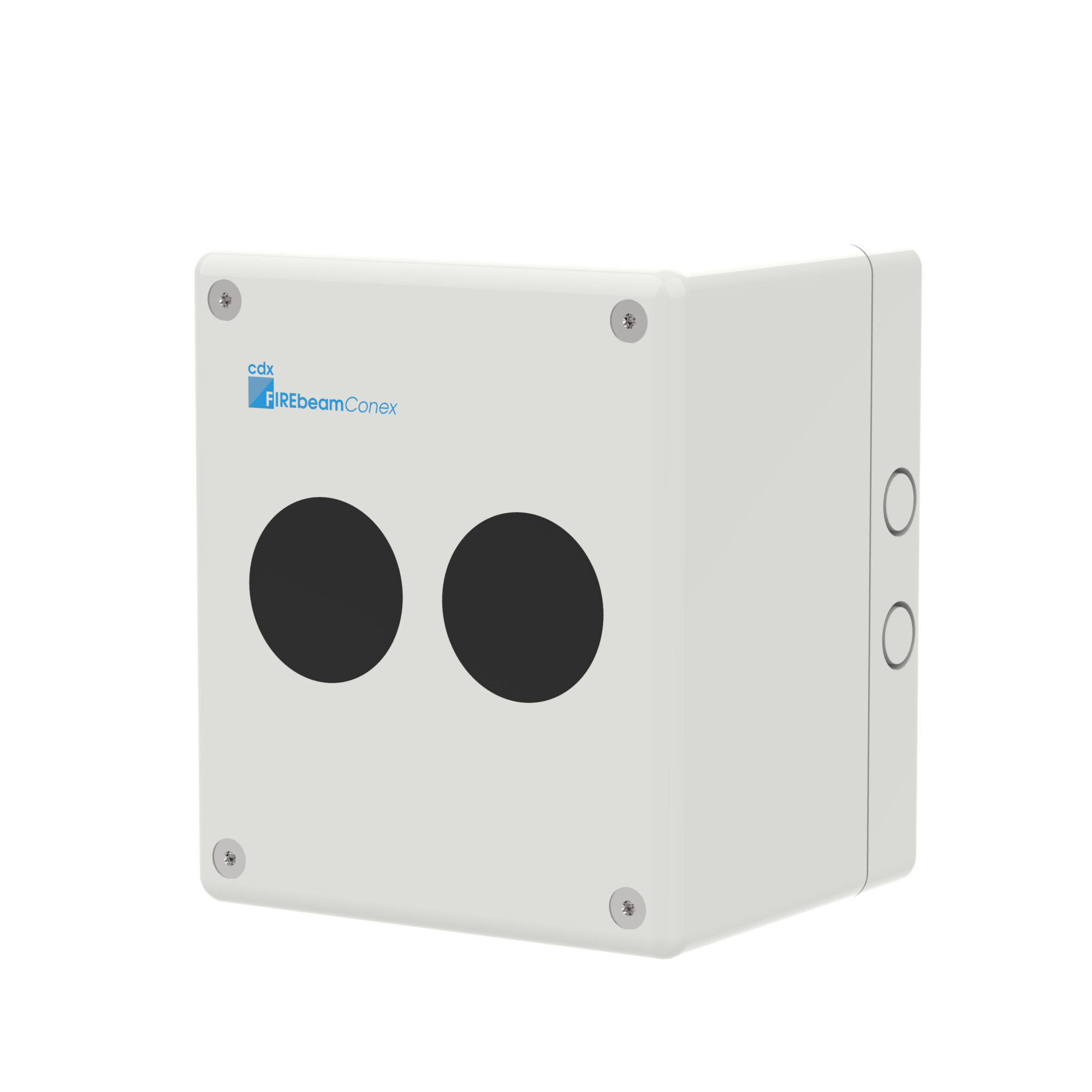
Reflective Beam Smoke Detectors are increasingly becoming the specifier’s choice as they work by combining the transmitter and receiver into one unit and returning the beam via a reflector at the opposite end of the protected space, allowing cabling to a single point and therefore significantly reducing installation time and cost.
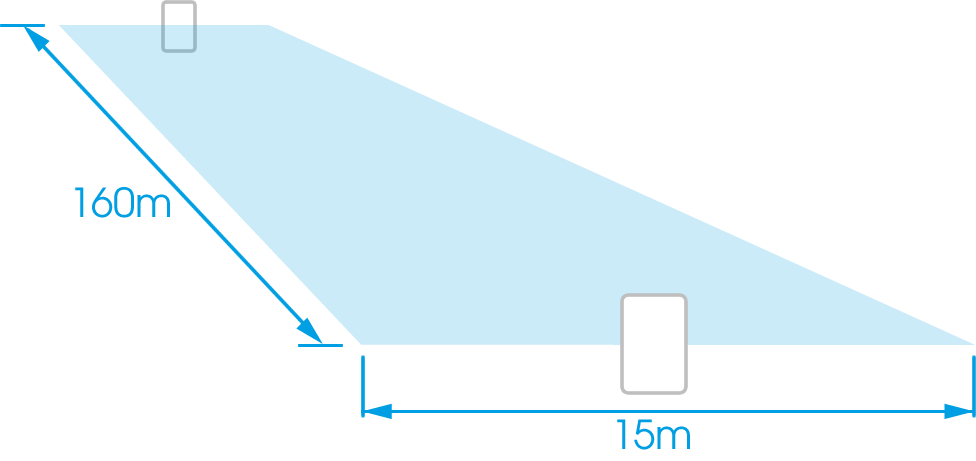
The motorised head's 160-metre range means you can cover areas of 2,400 square metres with a single beam, further reducing installation complexity and costs.